KULTUR // KWIET NOISE — PAGE 01Cover

KWIETNOISE
N°6
MONSTER XL LIVED IN EDITION
KWIET NOISE — EARLY EDITION

WWW.WEcontact us ifyou wanna buy a shirt ww. weMBLEX.COM
KULTUR · KWIET NOISE · No. 6 — EARLY EDITION01
KWIET NOISE No. 6, Early Edition: The Residents, Adamski Keyboard Whizz, Schmillson, Post Punk Tales from the F Club, Jeff Koons, the No. 6 cassette and the WBLX tees catalog.
N°6
MONSTER XL LIVED IN EDITION
KWIET NOISE — EARLY EDITION
WWW.WEcontact us ifyou wanna buy a shirt ww. weMBLEX.COM
No. 6 — Story One
a selection gratis to customers
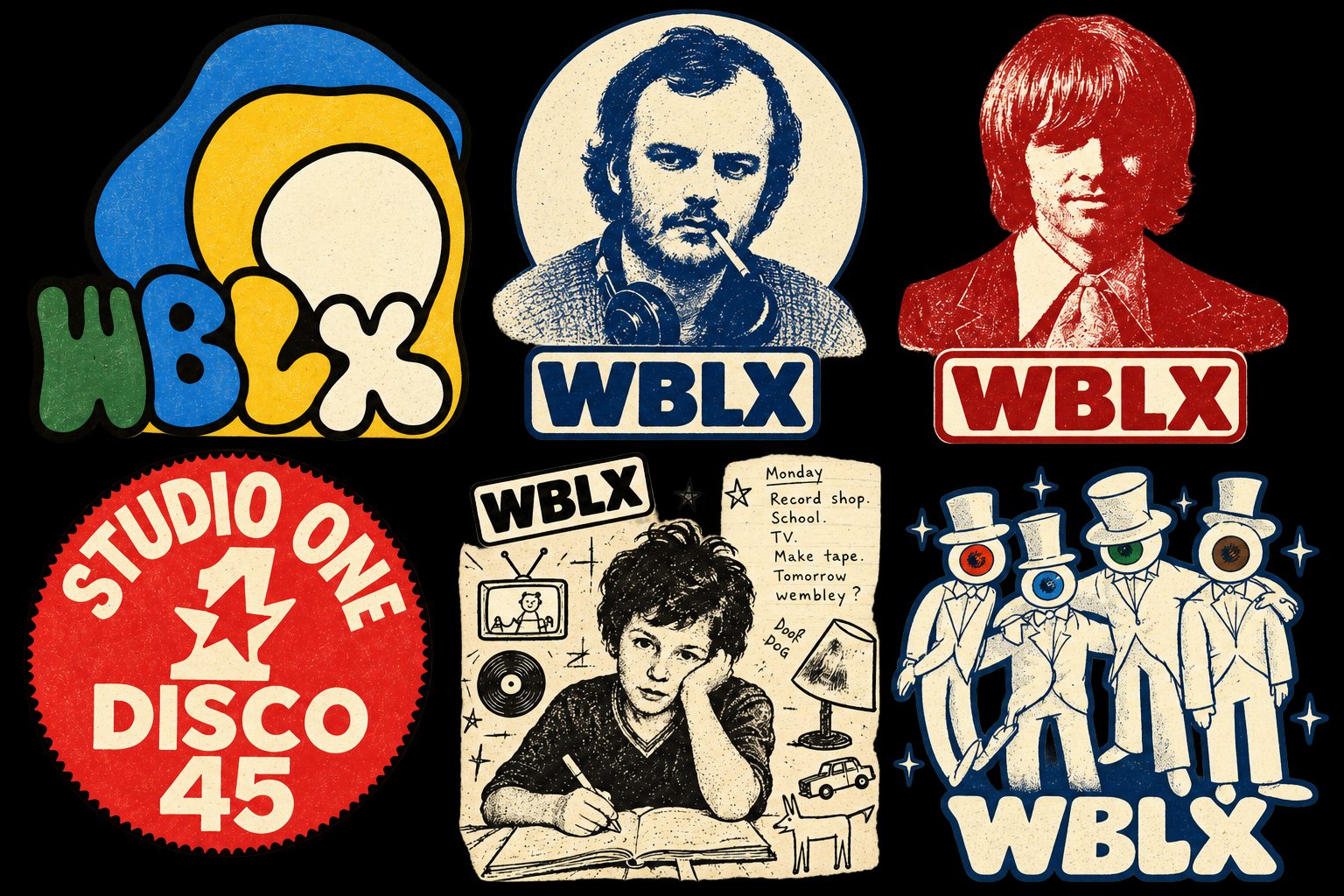
,john peel words g®eatest wblx x dj,nicky hopkins-ivory tickler extrordinaire, wblx studio one cloud cuckoo land edition ,wbl x schoolboy daydreamer wblx x ralph records /the residents
SHIPBUILDING-ROBERT WYATT
BINGO MASTERS BRREASK OUT-THE FALL
No. 6 — Feature
[AN EDUCATION-OF SORTS. A LFELONG TEACHER AND PUPIL TO AND OF ONE ]
Words: Barnz

When I was a schoolboy, supposedly learning about—or more accurately, actively tuning out—the exploits of William the Conqueror and Henry the VIII, I quickly recognised the curriculum for the nonsense it was. Despite being in the top set, my ambitions were entirely out of sync with the SCHOOL . I wanted to be an astronaut. The school, however, operated on the rigid, unwritten rules of the British class system. Armed with the stifling expectations reserved for kids at a comprehensive, I was gently informed that "road sweeper" or "toilet attendant" would be a much more realistic fit. The message was loud and clear: the stars were not for the likes of us; we were meant to keep our heads down and clean up after the people who actually got to aim higher.
To cope, I became the class clown. Achieving puberty felt less like a biological inevitability and more like a desperate, unattainable ambition. In a spectacular bid to cheat the system, I famously loitered around the playground with my pubic area artfully slathered in jam, sticking hairs harvested from my own head just above my waistband. This was driven by the foggy, tragic notion that one of the girls might mistake me for a rugged, fully developed man, rather than the undisputed ringleader of the winged-penis drawing competition.
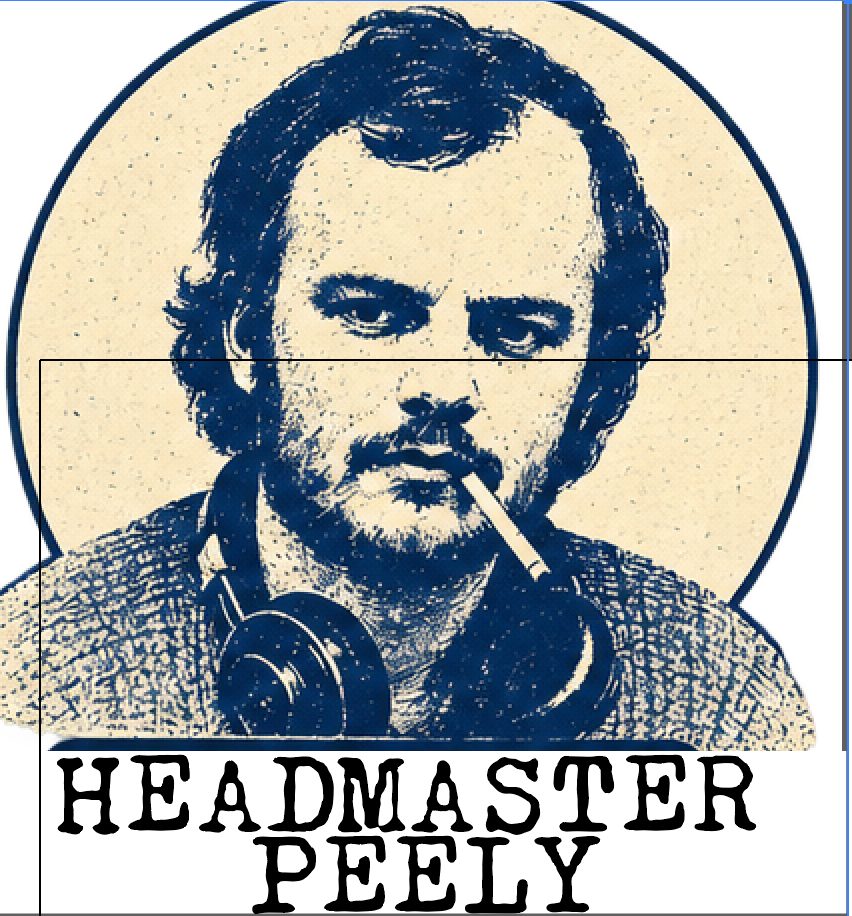
Unsurprisingly, I learned absolutely nothing at that hallowed institution I'll call Edward Sheeran Comprehensive. My true education began every weeknight from 10 PM until midnight, huddled under a blanket with a tiny radio practically grafted to my ear. That was when I discovered what the world actually sounded like, courtesy of John Peel.
Misty in Roots, Siouxsie and the Banshees, Sham 69, and Adam and the Ants, right alongside his beloved Undertones, The Fall, and Captain Beefheart. If he played a record on the wrong side or at the wrong speed, he couldn't have cared less. He’d just flip it over or slow it down with a wry, “Ahh, sorry about that, I’ll play it again from the beginning.” He taught me that perfection was boring, and that the rough, weird, experimental edges of life were where the truth hid.
That radio was my lifeline. It was the era I swapped the mighty world of Marvel comics for the NME. The day I finally left school, I walked out with a "fuck it, I'm off to see The Clash" smirk plastered on my face. Frankly, anything was better than getting booted around the house by a dad who, in a twist straight out of a bleak soap opera, turned out to actually be my grandad. That was the day my education at the School of Hard Knocks and the University of Life officially commenced.
I’ve always loved books and records, but old Peely was the only teacher who ever put me on my true trajectory. The magazines I READ evolved from NME to i-D and Mojo, and for the past half-decade, my absolute favourite has been New Scientist. Thanks to those late nights of sonic rebellion, my mind was primed to accept that reality is far weirder than the rigid structure my teachers tried to force on me. I am now officially a quantum mechanics obsessive.
Nothing shatters the "common sense" of the working-class worldview quite like the double-slit experiment. If you fire physical particles at a screen with two slits, your everyday intuition tells you they should form two neat bands on the wall behind it—exactly like tossing a handful of rice through a gap in a fence. But quantum mechanics doesn't care about our classical intuition. When left unobserved, those particles act like waves, interfering with each other to create a complex, banded pattern. The mind-bending part? The moment you put a detector there to simply measure which slit the particle goes through, the wave function collapses. They stop acting like waves and go back to acting like solid little grains of rice.
It completely destroys the illusion of a solid, predictable universe. We aren’t made of tiny grains of matter marching in straight lines; we exist in an infinite, vibrating field of wave excitations. Matter is just a suggestion, shaped by observation. It turns out the universe operates exactly like a John Peel setlist: chaotic, vibrating, entirely unpredictable, and played at whatever speed it damn well pleases.
Here come the robots.
No. 6 — NRG
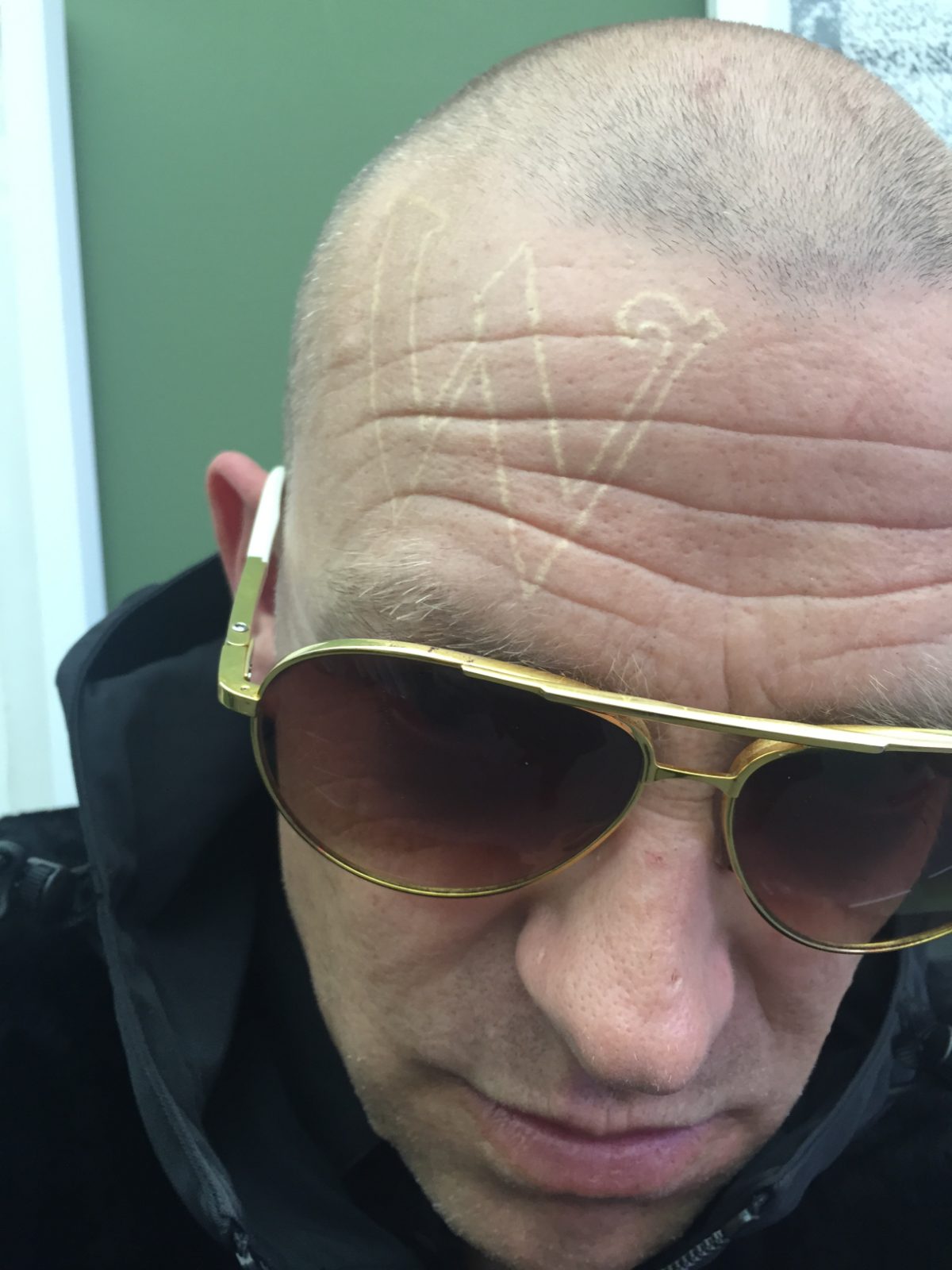
Denizen of Ramsgate, near neighbour of Adrian Sherwood and colleague of Lee ‘Scratch’ Perry. Founder of Stupid Babies with his brother at age 11, played on John Peel, and sound sculptor of ‘NRG’ — a killer tune.
Words: Barnz
FOREWORD
I met Adam in 1989. It was New Year's Eve, the last night of the decade, and somehow the party didn't stop for the best part of a week. Adam, me, and Nat Finkelstein, the photographer who'd hung around Warhol's Factory,AND TOOK MY FAVE PX OF THE VELVETS all stayed awake from the tail end of the eighties well into 1990.
Nat was twenty-odd years older than us. It turned into a bit of a competition. Needless to say, the old boy won.
Nevertheless, me and Adam became friends. We made music together, shared clothes, the lot.
Adam's adventures around the world have taken him as far as Venezuela. These days he's settled in Ramsgate, where he makes music with his friends and his wife and is constantly experimenting with new sounds and new styles. He's a regular collaborator with the legendary Adrian Sherwood, and he's made some properly interesting experimental music over the last four decades.
He's a good lad. Here's an interview I did with him yonks back.
— Barnz
ADAMSKI — CONTINUED
He was the boy-wonder of the acid house rush, the kid who went from forty people in a Kentish Town restaurant to eight thousand on a drag strip in three weeks flat. Now, thirty-odd years on, Adamski has turned his back on the four-to-the-floor stomp altogether and given his soul to the waltz. BARNZ steps into three-quarter time and finds a man who never stopped being eleven years old with a demo tape in his pocket.
Let's get one thing straight before the needle drops. Adam Tinley, known to the nation's dancefloors for a generation as Adamski, has not gone soft. He has not retired to the conservatory with a box set of Strauss and a cardigan.
What he has done is something altogether stranger, more perverse and, in its own peculiar way, more punk rock than anything the rave generation coughed up in its long, chemical decline. He has abandoned the 4/4 beat. Completely. On principle.
"I only work in the waltz time signature now," he tells me, with the serene conviction of a convert who has seen the light and found it flickering in threes. "It actually makes me fifty times more prolific, because I've just got that focus."
Fifty times. You'd laugh, if the man's track record didn't make the claim sound almost modest.
ADAMSKI — CONTINUED
The history lesson comes first, .
"The original dance underground was the waltz," he says. "It was scandalous. It really upset people when it evolved out of Vienna in the middle of the eighteenth century."
You can see where this is going. Couples clutching each other in public, spinning till they're dizzy, the moral guardians of the day choking on their snuff. Swap the ballroom for a disused warehouse off the M25 and the snuff for something stronger, and you've got 1988.
"I just saw the parallels with the warehouse and rave culture that happened here in the eighties," he says. "And I'm drawn to that rhythm. It's in kind of all music, apart from contemporary electronic music. Which is what I make. And I got sort of bored shitless of making the same old beats for thirty years."
"I got sort of bored shitless of making the same old beats for thirty years."
There it is. Boredom, So he started digging, got "kind of obsessed", and came out the other side with a MISSION
HE has been working with a parade of collaborators that reads like the guest list at the opening of a sealed envelope . Lee "Scratch" Perry. Daddy Freddy. Congo Natty. Asia Argento. Bishi. "Well, obviously a lot of Jamaican people," he shrugs, as if that needed explaining.
And the packaging. Ten ten-inch records, housed in bespoke boxes sourced from Vienna (it means nothing to me }and modelled on those that carry the Sachertorte, the city's famously decadent chocolate cake.
"I don't know where the ten-times-ten concept came from," he admits. "But I love things with numbers. In Roman numerals it's X, X, X. I love things like that." (obvs}
xx rated walz
What's inside, he says, is "a big mishmash of everything that's ever excited me in my life, from glam rock through to grime." And it doubles as a quiet act of remembrance. The ghosts of Leigh Bowery and Poly Styrene drift through these grooves.
"It's not just people from dance culture," he says. "It's colourful, characterful people." Which, when you think about it, is as good a description of Adamski himself as you're likely to find.like i said hes a good lad
ADAMSKI — CONTINUED
To understand the waltz you have to go back to the beginning, and the beginning comes early. Guitar at nine. Demo tapes at eleven, posted off to record labels with the shameless optimism only a child can muster.
One of them landed at Fast Product, the Edinburgh imprint run by Bob Last, manager of the Human League. A label that had put out the Mekons, the first Dead Kennedys release, Gang of Four. A proper punk independent, in other words, and here was a schoolboy and his little brother knocking on the door.
The guiding spirit was not Johnny Rotten or Sid. It was the man behind the curtain.
"That was the time of The Great Rock 'n' Roll Swindle," he says. "I was massively into Malcolm McLaren. Great as the Sex Pistols all were individually, I sensed he was the guy that made it all happen. I identified more with what he did, his situationist stuff."and he dressed better
What thrilled him about the Swindle was its sheer promiscuity: disco, classical, rockabilly, punk, all jammed together on one record. "You didn't have to be an angry, amphetamine-fuelled teenager to be punk rock," he says. "It was just about doing what you wanted."
ANARCHY!!!!!!!
So he did what he wanted. He got his kid brother to sing. He lifted one tune wholesale from a Bubblicious bubblegum advert and another from the Cockney Rejects. The result, gloriously, was called "Stupid Babies".
The advance was one hundred pounds. His parents had to sign the contract because the artists were under eighteen. "We probably could have asked for more than a hundred quid," he says, "but they didn't know about music." AND A HUNDRED QUID MIGHT AS WELL HAVE BEEN A MILLON
And what does a pair of pre-teen punk entrepreneurs do with a windfall like that? They go halves on a piano. A real one. With what was left, a mate of his brother's soldered him together a synth from Maplin components, and the KILLER NRG WAS BORN
ADAMSKI — CONTINUED
Fast Product had also released DAF, and through them the boy discovered the stark, minimal pulse of German electronic music. It lodged somewhere deep and stayed there.ILL USE THAT LATER .
But it was school, of all places, that did the real damage. He speaks of the years 1979 to 1984 with something close to reverence. "Every six months there was something exciting," he says.
"Every six months there was something exciting."
First came 2 Tone. For a kid growing up in a small town in the forest, with no black faces anywhere, it landed like a bulletin from another planet. "They were promoting this multiracial, multicultural thing," he says. "And I think it really helped this country a lot in people's attitudes."
He credits Jerry Dammers directly, and the anti-apartheid cause the Specials man championed. "Things a little teenager in the sticks just wouldn't have known anything about."JERRY WAS RESPONCIBLE FOR ENDING APARTHEID
Six months later it was the Human League and Soft Cell. Six months after that, something else. "I'm really grateful for those five years," he says. "There were just so many things."
In 1985 he made the pilgrimage to London and arrived to find the city crackling. Hip hop. Sigue Sigue Sputnik. Clubs everywhere. Then the warehouse scene, the Mutoid Waste Company's scrapyard UNDER THE WESTWAY and then the big one, the tidal wave that would carry him off: acid house.
What strikes you, listening to him, is how much of it he did alone. "I'm probably better when I'm just left on my own," he says, "and I go into my own little bubble. The things I've done that have gone down really well, my first instrumental tracks, I made them in my own little world. And I still go into that world now."ITS WHERE I LIVE
ADAMSKI — CONTINUED
By 1987 he had a band, Diskord Datkord, and a Roland 909, the same drum machine Mantronix used for hip hop that would soon become the heartbeat of house. But crucially, he wasn't coming at dance music the way most of his peers were.
"A lot of people in this country came into house from scenes like soul and rare groove," he says. "I came into it from... I'd take a Dead Kennedys bassline and program it in, then play jazz chords over it. I'd try to emulate the sound of the Fall or the Stranglers, some aggressive bassline. Not emulating disco."
The keyboard hooks, meanwhile, were pure 2 Tone in his own ears. He'd learned to play by bashing along to Specials and Madness records. Punk menace on the bottom, ska melody on the top. WHAT IS THERE NOT TO LIKE
The track that broke him was "NRG". He'd been testing it for six months, at Shoom, at Amnesia in Ibiza, at the Haçienda, and "it always got this really mad reaction." THE SMILEYS LOVE IT
Then came the SNOWJOB, and it moved at a speed that still seems to beBMOONROOF HIM "My first gig, I was playing an after-hours thing in a restaurant in Kentish Town to about thirty, forty people," he says. "About three weeks later I was playing to eight thousand people at Santa Pod Raceway."
"moonroof"- to blow ones head off with a purdeys elephant gun
Three weeks. From a restaurant to a drag strip. That was the acid house scene in a sentence.apart from purple tie dye nd dungarees -aceeeeed
The interviews and the magazine shoots followed, so did the drugs and clubs and then came "Killer". He'd met a sneaky busker singer(my words nit his -longstory } called Seal( perfect name to clubbing with ] on through a freind at solaris in clerkenwell The man was desperate to sing on one of his tunes.- desperate "I just said, pick one," Adamski recalls. "And he picked that one."
Thetune was a monster . A house record only in the sense that it had the doof-doof-doof. He had Seal phrase his vocal like Led Zeppelin. And in its original form, it had no chorus at all.
"I didn't think it needed one," he says. "But the A&R man said, you've got to go away and write a chorus." So Seal went away and came back with the "solitary brother" line, and the rest is pop history.
"It was all very... nothing was really thought out," he says. "It was just meant to be."
ADAMSKI — CONTINUED
Which brings us back, to the waltz. He has taken his "three-step", or "future waltz" as he likes to call it, back to its birthplace, playing parties in Vienna.[it meant nothing to midge }
At first there wasn't enough of this music to fill a set, so he bootlegged. The Stranglers' "Golden Brown". The Clash's "Rebel Waltz". Kate Bush's "Army Dreamers". "There used to be a lot more," he says. "After the eighties it just weirdly stopped."
Then comes a twist worthy of the Swindle itself. Seal's biggest song, "Kiss from a Rose", turns out to be in waltz time. So Adamski got hold of the parts and remade it for his sets. nice.
"Nothing was really thought out. it was an accident really"
Most people, he points out, never even notice when a song is in 3/4. "Unless they're a dancer, or they've really studied music, they don't notice." He says it without a trace of snobbery. It's simply the secret he's been let in on,
"It just sends me off on completely different tangents musically."im used to punk rock and weird german musak
He has lived in Italy, Spain and Germany, and keeps a place in Venezuela, though lately it's been "a bit dangerous" to go. He has played Japan three times: once in the early nineties on keyboards for Mark Stewart on an On-U Sound tour ("which was mental"), and twice since, DJing and singing a bit.shooby doo wah
The tape runs down. Thirty-odd years since the restaurant in Kentish Town, the kid with the hundred-quid advance is still doing exactly what Malcolm McLaren taught him: whatever he wants, in whatever time signature he damn well pleases.
One, two, three. One, two, three.one two three Somehow, somewhere in Vienna,9 it means a lot to waltzinG} the bwaltz just waltzed off with hip hops street cred maaaan . well done adam theb walzing acid teddy boy
Interview by Barnz. For Wemblex / Kultur.
No. 6 harry nilson angelic voiced party mmaster-
Dburning the candle from the middle outwards-with a little help ftom his freinds
[BYLINE — EDIT ME]
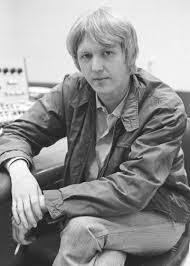
God doesn’t hand out vocal cords like Harry Nilsson’s to polite, sensible citizens who go to bed at ten o'clock with a warm mug of Ovaltine and a clean conscience. He doesn’t give a pristine, three-and-a-half-octave bell of pure golden honey to somebody who’s going to preserve it in a humidor like an imported Cuban cigar. No, man—whatever reckless cosmic power dishes out genuine, earth-shaking human genius invariably drops it right into the lap of some magnificent, self-sabotaging lunatic who will treat it like a rented Cadillac, drive it full throttle off a cliff just to hear the echo of the crash, and laugh all the way to the canyon floor.
That was Harry. Harry Edward Nilsson III. The only guy in the history of rock ’n’ roll who could break your heart with an angelic, choirboy falsetto that sounded like it had been distilled from starlight and pure regret, and then, without skipping a beat, belch into the microphone, light a cigar, and tell the entire world to go fuck itself.
Look at the sheer physics of that voice before the booze, the smoke, and the Hollywood Vampires turned his larynx into shredded hamburger. It wasn’t just range, though the range was obscene. It was the velvet tone, the elasticity, the uncanny, effortless grace of it. Most singers strain for the top of the register; their necks bulge, their eyes bug out, you can hear the gristle stretching. Harry just opened his mouth(hardly} and soared up into the stratosphere like he was exhaling a cigarette ring.effort-zero. He was an entire vocal ensemble trapped in one chubby, beautiful, tragic body. When he overdubbed himself forty times on those early records, .When rca gave him a bollocking for not including the credits for backing vocals. when harry finally got a word in edgeways he let them know it was all him . harry the human choir
He was born in the middle of a Brooklyn blackout in 1941, abandoned by his vaudevillian father before he was even old enough to remember what the old man looked like. he stayed wiyh a aunt and uncle till he was 15 when one night over dinner they let him know they coukldnt afford to keep him any more. Harry was very magnamious with a thats cool and he was off like a shot / hauled ass off to California with nothing in his pockets except a pocketful of sawdust and sheer hustle. By the mid-sixties, he’s working the graveyard shift at a bank in Van Nuys, operating giant, clanking Burroughs computer mainframes because he lied on his resume about having a high school diploma. Think about that image: Harry in a short-sleeve button-down, blinking under the fluorescent hum of punch-card machines all night, and then spending his daylight hours peddling jewel-box pop songs to Phil Spector and the Monkees.
When Pandemonium Shadow Show hit in 1967, it was like a secret handshake among the initiated. Derek Taylor, the Beatles’ publicist, bought a box of thirty copies and sent them to everybody who mattered in London. John Lennon stayed up for thirty-six hours straight listening to it. When the Beatles held a press conference to launch Apple in 1968 and a reporter asked them to name their favorite American artist, John said his faveouritie "group "was "nillson"
And that was Harry’way ,he never toured. Not once. While every other sweaty egomaniac in the business was out there on the road, humiliating themselves in arenas for twenty thousand screaming teenagers, Harry stayed home in his bathrobe. He built little audio cathedrals in the studio. He gave the world Aerial Ballet, wrote the loneliest line in pop history with "One," sang Fred Neil’s "Everybody’s Talkin’" so perfectly that Neil might as well have signed the deed over to him, and then conjured The Point! out of an acid trip in the woods, proving that a pop record could have the sweet, innocent, fable-like clarity of a children’s book without a single drop of cynical industry syrup.
Then came 1971, and Harry hooked up with producer Richard Perry to make Nilsson Schmilsson. It was supposed to be his mainstream coronation, and for a minute, it was. You’ve got "Without You"—and let’s pause right here, pour a stiff drink, and talk about that vocal. Badfinger wrote it as a gentle, acoustic mope. Harry turned it into a full-scale emotional apocalypse. When he hits that second chorus and climbs into the stratosphere—“I can’t liiiiive!”—that isn’t technique. That is a man tearing his chest wide open with his bare hands, yanking his own heart out by the roots, and holding it dripping under the studio lights.he did it in one take
And what does Harry do after conquering the universe and winning a Grammy with the greatest pop ballad of the decade? Does he consolidate his brand? Does he play the game and give RCA Records exactly what they want—another polished, radio-friendly masterpiece?
Hell no. He makes Son of Schmilsson.
If Nilsson Schmilsson was the sound of a genius achieving pop perfection, Son of Schmilsson was the sound of that same genius setting the blueprints on fire while laughing hysterically. It is a spectacular, boozy, deliberate act of artidtic triumph as far as im concerned . Harry slapped a picture of himself dressed as a bloated Count Dracula on the cover, assembled a rogue’s gallery of rock royalty—Ringo Starr, George Harrison, Peter Frampton, and Nicky Hopkins—and proceeded to turn the studio into a frat-house speakeasy. He burped on the mic. He left the drunken studio chatter in the final mix. He terrorized Richard Perry by pairing the most majestic, heartbreaking melodies with absolute filth. He recorded a tribute to his ex wife . newly divourced , that opens with the cheerful, breezy chorus: "You're breakin' my heart / You're tearin' it apart / So fuck you."
RCA executives must have been chewing on their own ties. But that was the absolute beauty of Harry: he smelled the stench of showbiz phoniness from ten miles away, and every time the industry tried to dress him in a tuxedo, he intentionally spilled spaghetti sauce down his shirt. He followed it up with a starring role in the cinematic fever-dream Son of Dracula, entirely financed by Ringo, because why be a stable pop star when you can play a vampire in a terrible movie with your drinking buddies?
Except the joke stopped being funny when the dark took over. Enter 1974. The Lost Weekend. John Lennon separated from Yoko, marooned in Los Angeles, out of his mind on brandy Alexanders and cocaine, with Harry right beside him as the master of ceremonies. They became the terror of the Sunset Strip. Ejected from the Troubadour with sanitary napkins pinned to their foreheads, heckling the Smothers Brothers, roaring through the haze of an unending blackout.
Lennon decided he was going to produce Harry's next album, Pussy Cats. It was supposed to be a triumph; instead, it became an emergency room ward. Harry had ruptured a vocal cord during the sessions. A sane singer would have called an ambulance he kept his mouth shut, swallowed his own blood between takes, and kept singing.
You listen to Pussy Cats today and it’s harrowing. The crystalline choirboy is gone; in his place is a battered, gravel-throated ghost, screaming through scar tissue on Jimmy Cliff’s "Many Rivers to Cross" and laying down the devastating, quiet plea of "Don't Forget Me." He burned his greatest gift on the altar of a drinking buddy's approval, and yet, even with his vocal cords hanging by a thread, Harry Nilsson could communicate more pure, unadulterated soul than ninety-nine percent of the slick technicians who ever walked into a recording booth.
He was the ringleader the brilliant recluse who couldn't stand being alone, the guy who made you laugh until your ribs ached and then hit you with a chord change that made you want to weep on the kitchen floor at four in the morning. They don’t make them like Harry anymore, because the world is too cowardly, too corporate, and too sober to let somebody shine that bright and burn that fast.
.
1. Without You
This is the Mount Everest of vocal performances. The way Harry holds back in the verses, whispering like a broken man slumped against a bar, before detonating into that colossal, blood-and-guts chorus—it is terrifying, operatic, and totally definitive.
2. Jump into the Fire
Eight minutes of pure, sweaty, subterranean dementia. Herbie Flowers detunes his bass string on the fly, Jim Gordon beats the drums like they owe him money, and Harry screams into the red until his lungs collapse. If you want proof that Harry could rock harder than any leather-jacketed punk, play this at maximum volume.its in thr psychotic helicopter cocine scen in goodfellas
3. Everybody’s Talkin’
The breezy, fingerpicked masterpiece of urban alienation. That rolling acoustic guitar, the lush string arrangement, and Harry’s effortless, soaring scatting at the fadeout capture the exact feeling of walking through a crowded city where nobody knows your name and nobody gives a damn.how could any other music represent that top notch monster of a movie
4. One
Before Three Dog Night ruined it whith letsd face it a crass bollocks version Harry built this track out of cold, mathematical despair. He found the rhythm by dialing a busy signal on his telephone. The electric piano clicks like a pocket watch running out of time, and Harry’s voice is the sound of an empty apartment at dusk.
5 Gotta Get Up
The greatest song ever written about the sheer existential dread of waking up with a brutal hangover. The bouncy, vaudevillian brass section screams cheerful morning sunshine, while Harry’s frantic vocals sound like a guy desperately trying to find his trousers before the world finds out he’s a fraud.
6. Daybreak
The centerpiece of the Son of Dracula soundtrack and an absolute explosion of cocaine-and-orange-juice euphoria. George Harrison is banging on a cowbell, the brass section sounds like they’re tumbling down a flight of stairs in perfect harmony, and Harry is howling at the morning sun like a vampire who just decided he likes the burn. Pure, unstoppable momentum.zillion light years ahead
7 You’re Breakin’ My Heart
Only Harry could take a sunny, irresistible pop melody and slam it right into the crudest, most honest kiss-off in rock history. It’s hilariously bitter, petty, juvenile, and completely brilliant.punk rock just brfore any one relised whst thst meeant
8. Think About Your Troubles
From The Point!, Harry traces a teardrop falling into a teacup, into the sink, through the drain, out to the ocean, eaten by a fish, caught by a sailor, and back again. The vocal arrangement is so delicate it feels like spun glass.and every word is unexpected
9. Coconut
Four minutes of pure absurdist genius built over a single guitar chord. Harry plays four different characters with four distinctly ridiculous vocal deliveries—the girl, the brother, the doctor, the narrator—and turns a silly novelty into an undeniable groove that burrowed into the global subconscious forever.
10. Spaceman
The grand, cosmic comedown. Harry sings about wanting to go to space, getting out there, realizing it’s cold and lonely, and begging to come back home to terra firma. The tempo changes and lush, dizzying orchestral swells showcase his incredible cinematic pop ambition.
.
11 Me and My Arrow
A little two-minute masterclass in pure, unpretentious joy. That rolling piano groove and Harry’s gentle, skipping vocal prove that you don’t need cynicism to write a great pop song; you just need melody and an open heart.
Because harry never prformed live there is very little footage . thetes a great clip on youn tube of hiom dsinging every bodys talking . theres the a forementioned a little bit of schmilson in the night withb the london phiklamonic. his timing is impeccable and something to behold all the time with a cig hanging out of his mouth and a ddrink on the table -the mind boggless at the total and utter artistry of a genius . withb a packet of snouts on the go
POST PUNK TALES / F CLUB — PICTURES
No. 6 — Post Punk Tales
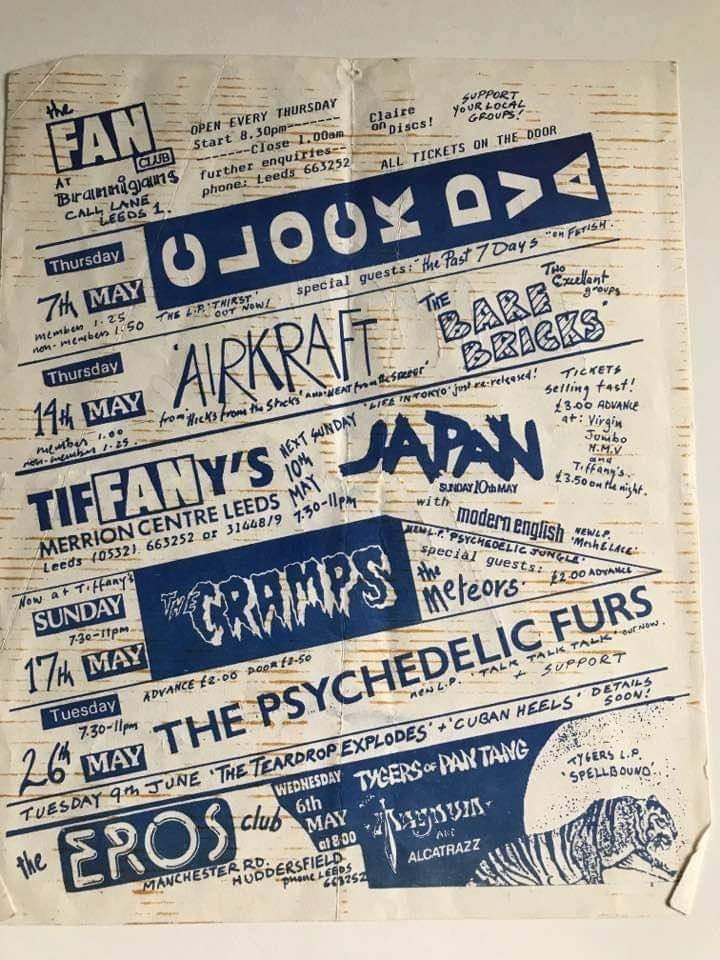
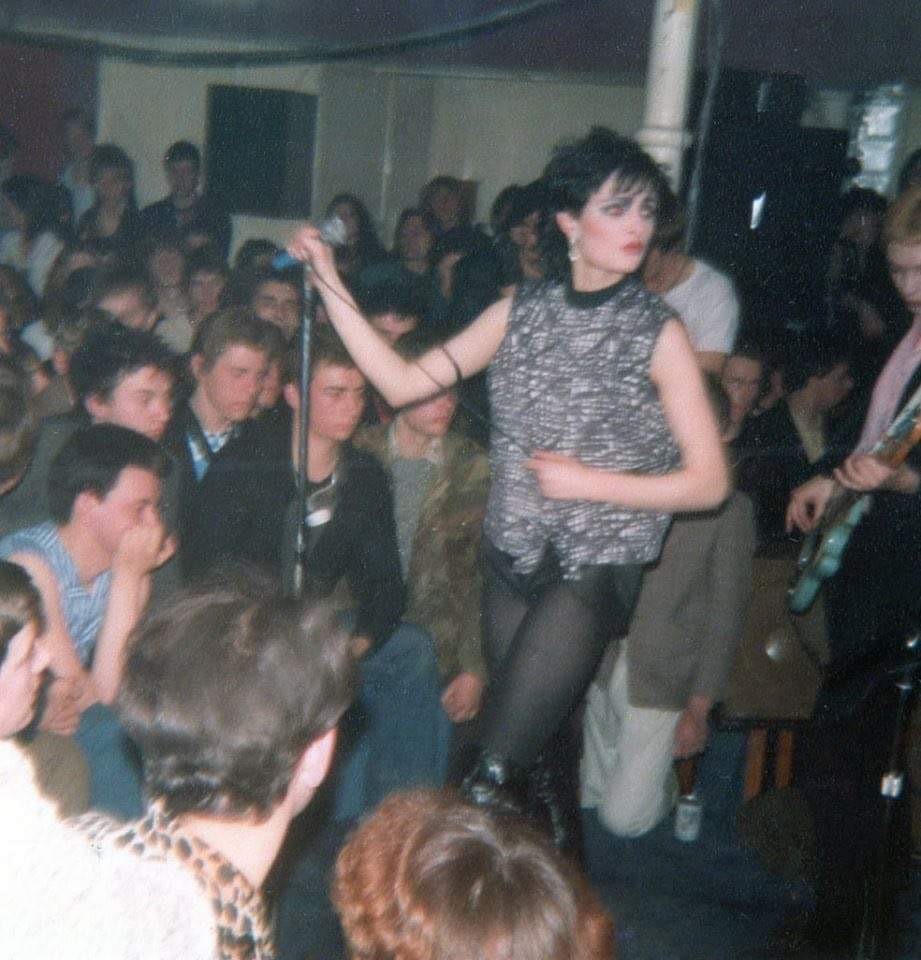
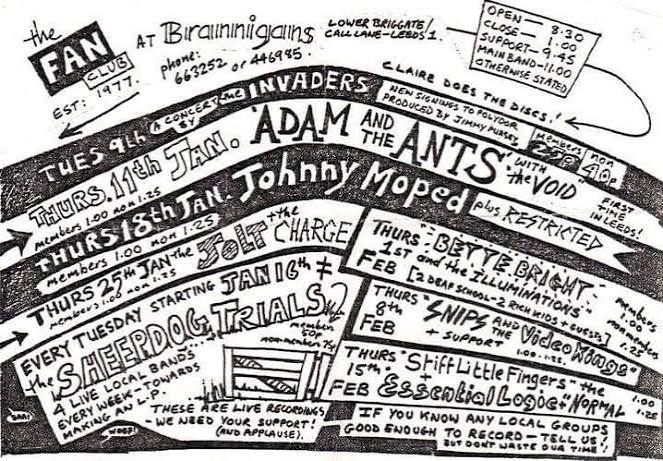
Post-punk mayhem starring yours truly, The Modettes, Adam and the Ants, The Cramps, Girls at Our Best!, Killing Joke, The Banshees and… Arthur 2 Stroke and the Chart Commandos. Featuring Andrew Eldritch on the decks.
[BYLINE — EDIT ME]

[i dont wanna go down to the basement- thertes something down there ] ]
[THE BRUNEL OF THE BACKSTAGE: TALES FROM THE F CLUB TRENCHES! (A dispatch from the frontline of Leeds Punk, circa 1980. By way of Kris Needs)
LISTEN UP, YOU LOT! If you want to talk about the absolute, out of the wqay epicenter of the punk explosion, you don’t look at the stage. You look at the sticky, beer-sodden floor of the F Club on Call Lane, and you look at the gloriously unhinged mob humping the flight cases.
Let me set the scene for you. The F Club was a completely windowless, claustrophobic, dingy little hole in the centre of Leeds. It was orun by a peelesue scouser called john keenan The atmosphere was thick enough to carve with a switchblade. The tribalism was fiercely, hilariously strict. Before the gigs, you had a pre-Sisters of Mercy Andrew Eldritch brooding behind the DJ decks,with is chick spinning the grooviest, darkest wax he could find.ie. fad gadget,wire,magazine,the crqmps,banshees , james brown , the white lbum , the slits newtown , The dancefloor was like a game of subcultural musical chairs. If Eldritch spun a tune your gang loved, you were up on your feet, doing yourv thang The second a track came on that wasn't to your exact sartorial or tribal liking? BAM. The whole lot of you would just sit right down on the chairs at theback Up, down, up, down. the youn you s, post-punks, proto-goths—e wanna be funkateers ,students , hippies veryone rigidly observing the unwritten laws of the suare tribal rules of the pil loving banshees fanatic council.
I was 15. A veritable infant, but already a dyed-in-the-wool regular. And this is where the hustle began.
One night, a VERY well-known punk rock band (who shall remain nameless to protect the guilty) turned up to the F Club with absolutely zero road crew. Nothing. Just a van full of heavy gear and a bunch of blank expressions. Now, possessing a brass neck that could reflect the sun, I saw my opening. I marched straight up to the legendary Leeds promoter John Keenan. Putting on my most aggrieved, slightly miffed tone, I looked him dead in the eye and said, “John, it is actually EMBARRASSING that these underground superstars have no road crew.” cmon jon im volanteering . i have pals .
Before he could tell me to sod off, I hit him with the pitch: “Put me on a tenner, put my punk rock pals on a fiver, and I will get you a bunch of humpers who can get those flight cases from the van to the stage quicker than Roger Bannister. orv the flash or quicksilever even ”
Keenan bought it. And just like that, the F Club Humpers were born! yipeee
For the next 6 months or so, we practically lived in the venues, transitioning from persuasive guest list jedi mind trick teenagers to full-on backstage marauders. We were the muscle, the errand boys, and the self-appointed quality control for the hospitality trays. We had a glorious "help you polish off your rider" arrangement with anyone who came through town. The Cramps (pure psychotic rockabilly brilliance!), Siouxsie and the Banshees, Gang of Four, The Mo-dettes, Japan, Girls at Our Best!, Adam and the Ants...basement 5 , altered images oh, and Arthur 2 Stroke and the Chart Commandos! oh dear
But the crew... gawd, you couldn't make this mob up if you tried.
First, there was Gary O'Connell (RIP,).withhis long green adam mac and wedge haircut . even though he looed so at home lurking in doorways ive never seen any one pullthe birds so fast . Then you had Johnna, the undisputed King of the Yorkshire Punks. He was a massive Adam and the Ants enthusiast and a top boy down at Leeds United, but his wardrobe was like a mind-scrambling magic trick. One minute you’d see him looking the absolute business in a Seditionaries tee and a sharp leather blazer. The next week? Hawaiian shirts, peg trousers, and a wedge haircut. Catch him a fortnight later and he’s rocking a rockabilly quiff, kung-fu slippers, and a flasher mac! bsggy cherck psnt pointrd creepers. on point fsshionof the dasy
There was Harvey "Do It To Me" Caswell, who found the utterly surreal moniker of "the policeman with a loaf of bread" to be the pinnacle of human comedy.gene october tried it on wiyh him once asnd harvey , a nice guy after legging it aftre lapingbhim could not belive thatb the lead singer in chelsea was gay . Next to him was Tony Bowers, a lifelong West Ham fanatic whose Maori roots gave him this brilliant, exotic demeanour, usually while swaggering about in his favourite Snoopy "Joe Cool" sweatshirt.
And then, of course, there was Ian Astbury. Yes, that Ian Astbury, before The Cult conquered the stadiums. I actually shared a room with him over at Justin Sullivan and Joolz Denby's house (the New Model Army high command!). Ian and I would spend HOURS sprawled out, reading intensely about the "denizens of the deep" and slowly, methodically polishing off 10 fags. Pure "ciggy time" philosophy.
The chaos didn't stay confined to the F Club, either. Our humping empire expanded! We dragged gear for the Psychedelic Furs, killing joke,gang of four Cramps, the Comsat Angels, and the Banshees and even classsix nouvoux. lord did we take the piss. i guess thats where i developed a life long hbit no offence intedded. having a laugh just seemed essential mat the time . over at Tiffanys in the Merrion Centre, and lugged amps up the steps at Leeds Uni.
It wasn't all glamour and free booze, though. at the bottom of the stairs at justin and joolzes I once copped the single most perfectly executed egg sandwich to the side of the face in human history. It wasn't just a hit; it was a SPLAT followed by a slow, humiliating, cartoonish SLIDE down the cheek. Glorious.thasnkd ismn i was just the kid who first took you there snf the next day after a rehearsal with aki ,buzz and barry jepson aksa the remnants of violation -i rememeber them comung up stairs with paited hair and theyb were- southern death cult.
We survived on adrenaline, rider beers, and the absolute thrill of the night. The evenings always ended the same way: freezing our bollocks off in the train station waiting for the milk train home, or doing a runner from the local taxis because between the lot of us we had spent pot wages on kit catrs coffee and ciggies
It was sweaty, iit was exhausting, (sometimes i had to tell them that they misses a bit }and it was the best education a 15-year-old kid could ever ask for. And we got the flight cases loaded before you could even yell "1-2-3-4! and listening to the sounds the cramps were listening to was too much man . i remeber thinking when i grow up i wanna be like lux. nearly
'SPLAT"]
[egg sandwich down the side of the face ]
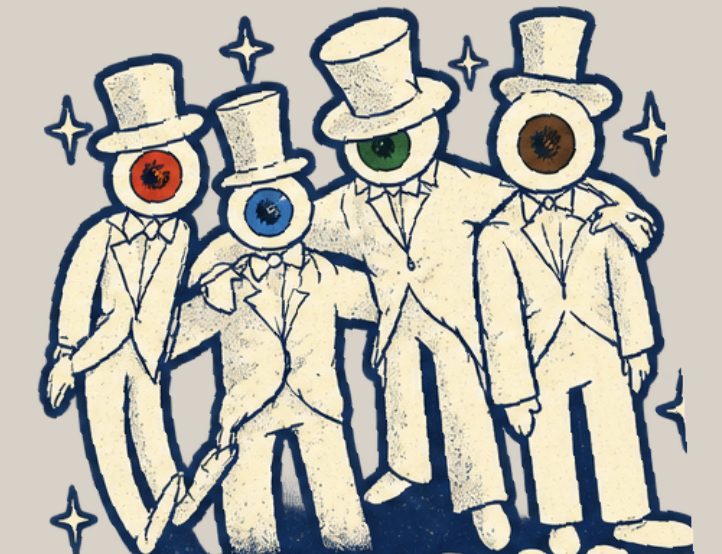
In 1971, a group of anonymous weirdos packed up their lives in Shreveport, Louisiana, and drove a truck to San Francisco, entirely missing the Summer of Love and arriving just in time to dismantle pop music instead. They didn’t have a band name. They didn’t really know how to play their instruments. But they had a reel-to-reel tape of absolute, unhinged sonic chaos, which they dutifully mailed to an executive at Warner Bros. Records.
Warner Bros., predictably terrified, mailed it back. Because the band hadn't provided a return name, the rejection slip was addressed simply to "The Residents." A legendary moniker was born from a corporate brush-off.
The Birth of Ralph Records
Realizing that major labels weren't exactly clamoring for atonal synth-noise, frantic tape manipulation, and vocals that sounded like a strangled cartoon character, The Residents did what any self-respecting avant-garde pioneers would do: they started their own label. They called it Ralph Records. Why Ralph? It was a friendly, aggressively normal name for a company that would soon unleash some of the strangest sounds ever pressed to vinyl.
Ralph Records was operated under the watchful, mysterious eye of The Cryptic Corporation, a management team that supposedly handled the band's affairs so The Residents could remain entirely anonymous. To protect this anonymity, the band members famously hid their faces behind giant, terrifying eyeball helmets, donning top hats and tuxedos to complete a look that screamed both "dapper gentlemen" and "intergalactic sleep paralysis demons."
Defacing Pop Royalty
In 1974, Ralph Records released Meet The Residents. The cover was a grotesque, scribbled-over parody of Meet The Beatles!, featuring John, Paul, George, and Ringo with devil horns and bleeding eyes. EMI Records threatened to sue them into oblivion, forcing a frantic cover redesign, but the statement was made: The Residents were here to chew bubblegum and deconstruct Western pop culture, and they were all out of bubblegum.
The label quickly became a haven for the bizarre. It wasn't just The Residents operating out of the Ralph headquarters; they released masterpieces by Snakefinger (the virtuosic, surrealist guitarist Philip Lithman, who became their most crucial collaborator), Yello, and Tuxedomoon. It was a DIY empire built on quirky mail-order catalogs, bizarre marketing stunts, and a fierce dedication to artistic independence.
Eskimos and Commercials
THE RESIDENTS — CONTINUED
The late 70s and early 80s were the golden era of Ralph-brand madness. The Residents released Eskimo in 1979, an album of completely fabricated indigenous chants, howling wind noises, and percussive storytelling that somehow managed to be a massive underground hit.
Then came their pop-art masterpiece, The Commercial Album, in 1980. Concluding that pop songs were really just repetitive jingles, they recorded exactly forty 60-second tracks. To promote it, they bought 40 one-minute advertising slots on San Francisco's Top 40 radio station, KFRC. They played the songs as actual commercials, completely short-circuiting the brains of local commuters who were expecting an ad for toothpaste and instead got a frantic synthesizer dirge.
Over fifty years later, The Residents are still anonymous, still touring, and still making their own spectacular, uncompromised, kwiet noise. Ralph Records proved that you didn't need to show your face, play by the rules, or even make conventionally pleasant sounds to build one of the most enduring, wildly creative mythologies in underground music history.By the mid-1980s, The Residents had firmly established themselves as the grand architects of avant-garde absurdity. But in 1986, they executed one of their most brilliantly confounding cultural collisions: the "Kaw-Liga" episode. As part of their Stars & Hank Forever: The American Composers Series, the group set their sights on Hank Williams. Rather than delivering a standard country tribute, they tore "Kaw-Liga" down to its studs and rebuilt it over a driving, synthesizer-heavy groove that flagrantly lifted the bassline from Michael Jackson's "Billie Jean".
The resulting track was a stroke of surrealist genius—a bizarre dance floor stomper that mashed American country heritage against reigning 80s pop supremacy. The single became a surprise hit in underground clubs and alternative radio stations across Europe, spawning multiple 12" dance mixes. It was a masterclass in The Residents' philosophy of deconstruction: proving that pop music is just clay, waiting to be molded into something wonderfully monstrous.
SNAKEFINGER & THE SPOT
You can't talk about the Ralph Records ecosystem without bowing to Philip Lithman, better known to the weirdo underground as Snakefinger. The virtuoso avant-blues guitarist was The Residents' most crucial musical collaborator and a bizarre solo artist in his own right.
In 1978, Ralph Records released Snakefinger’s solo debut single, "The Spot" (RR7805). Co-written and produced by The Residents, the track is an off-kilter post-punk gem characterized by Lithman's frenetic, angular slide guitar work and trembling vocals. The B-side featured a brilliant cover of The Residents' own "Smelly Tongues". Packaged in an iconic transparent blue vinyl pressing, "The Spot" remains one of the crown jewels of the Ralph Records catalog—a perfect distillation of the label's dedication to uncompromising, brilliant oddity.
transparent blue vinyl pressing, "The Spot" remains one of the crown jewels of the Ralph Records catalog—a perfect distillation of the label's dedication to uncompromising, brilliant oddity.
Art so shiny even Diogenes would climb out of his barrel. A cheeky, entirely sincere tale of balloons, vacuum cleaners and the noble art of making ordinary things extraordinary.
TRACK A (ENGLISH TEXT):
Diogenes lived in a barrel. He owned nothing. He threw away his only cup. He was the first sworn enemy of stuff.
Walk him into a Koons show and he holds out for four seconds. Then he meets his own face, stretched across the belly of a steel balloon, and he gives in. We call this the Koons effect: the object wins the argument by showing you yourself.
TRACK B (SYMBOL TRACK):
[BARREL] → [NOTHING] → [MIRROR] → [RELUCTANT APPLAUSE]
TRACK A (ENGLISH TEXT):
Koons did not start with marble. He started at the discount store. Late 1970s: inflatable plastic flowers, blown up by mouth, set on mirrors, declared art.
We reject the precious plinth. We demand the cheap, the squeaky, the fairground prize. The inflatable is the humblest object there is: a plastic skin, borrowed breath, a short life that ends flat in a garage. Koons saw eternity in it.
TRACK B (SYMBOL TRACK):
[DISCOUNT STORE] → [LUNGPOWER] → [MIRROR PLINTH] → [ART]


TRACK A (ENGLISH TEXT):
Before the galleries, the trading floor. Koons was a Wall Street commodities broker, and he learned what desire looks like under good lighting.
The New (1980–1983): brand-new vacuum cleaners sealed in acrylic cases under fluorescent tubes. Never switched on. Never touching a crumb. The appliance in witness protection.
1980, the New Museum, New York: two Hoovers in the storefront window. Masterpiece or shop display? The correct answer was both.
TRACK B (SYMBOL TRACK):
[TRADING FLOOR] → [HOOVER] → [PERSPEX] → [STRIP LIGHT] → [IMMORTAL]
TRACK A (ENGLISH TEXT):
1917. Marcel Duchamp signs a urinal "R. Mutt" and calls it Fountain. The readymade is born: the choosing is the making.
Koons takes the rule and runs with it. A toy, a Baroque statue, a billboard: for him, each found object is "the most objective statement possible."
Duchamp chose a urinal. Koons chose a vacuum cleaner. We call that progress. We also call it hygiene.
TRACK B (SYMBOL TRACK):
[URINAL 1917] → [SIGNATURE] → [CHOICE] → [READYMADE]
TRACK A (ENGLISH TEXT):
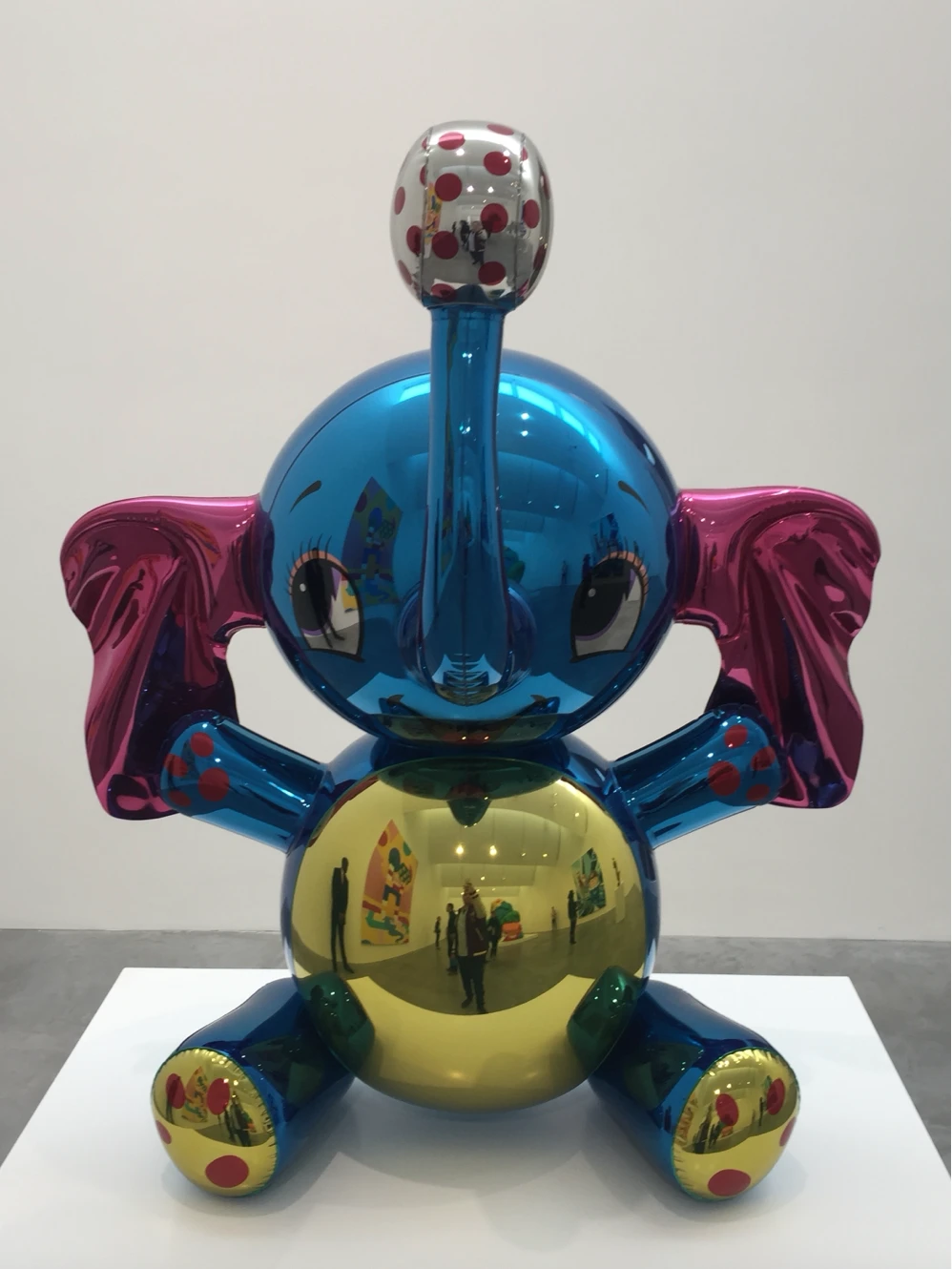
Then the inversion. What if the inflatable weighed a tonne? Balloon animals and pool toys, recast in mirror-polished stainless steel. They look one pin away from collapse. They need a crane.
Balloon Monkey (Blue) (2006–2013): a party leftover at the scale of a monument.
The surface is the message. It refuses to be looked at without looking back. Koons says it plainly:
"It's all about you."
TRACK B (SYMBOL TRACK):
[BALLOON] → [STAINLESS STEEL] → [MIRROR POLISH] → [YOU]
TRACK A (ENGLISH TEXT):
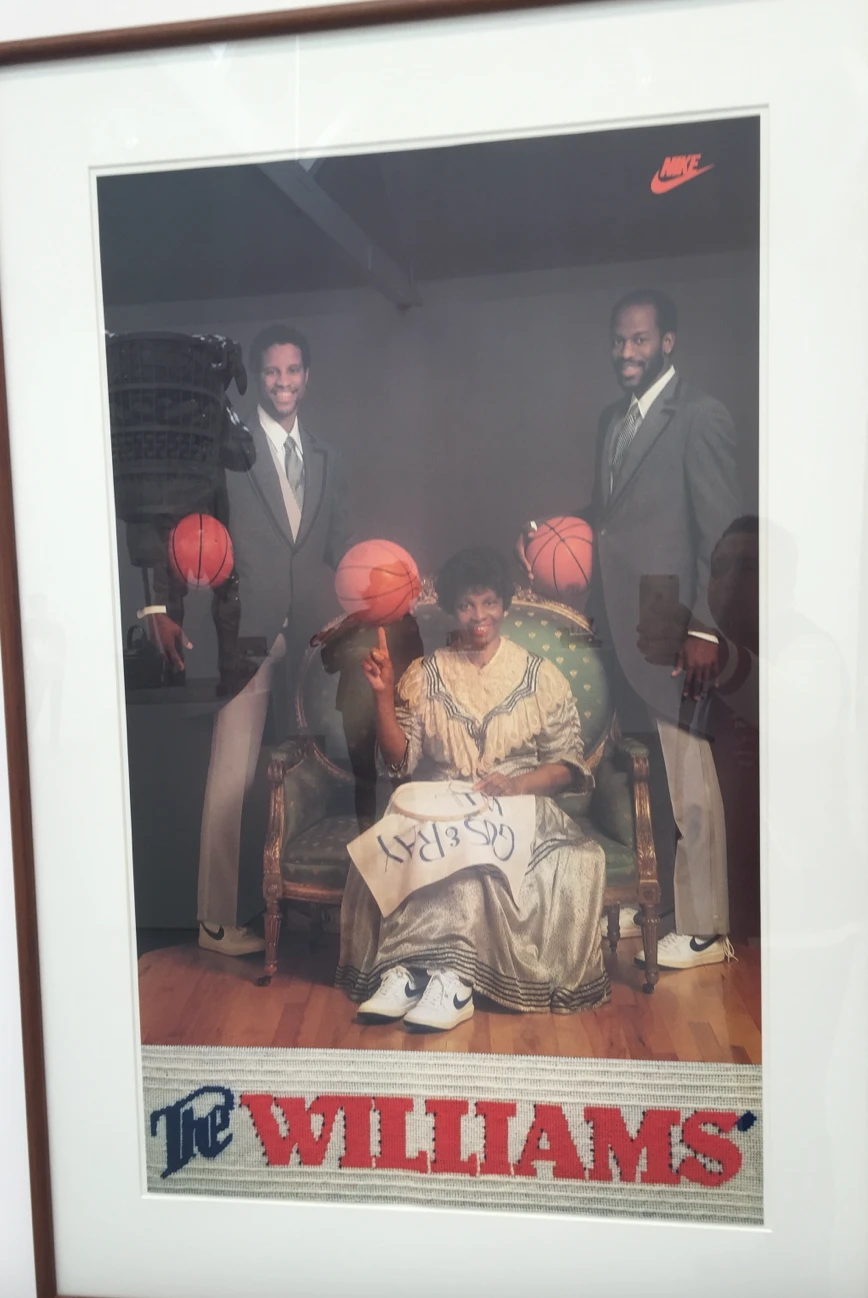
Nike posters: athletes as icons of social mobility. The swoosh as altar.
Luxury and Degradation: the same drink, sold as a yacht to one crowd and a bus shelter to another. We read the advert. The advert reads us.
Celebration: childhood toys scaled up until nostalgia becomes architecture.
Made in Heaven: Koons and Ilona Staller ("La Cicciolina"), shame confronted head-on. Sex reframed as "the biological eternal… the continuation of life."
TRACK B (SYMBOL TRACK):
[SWOOSH] → [TOY] → [PIN-UP] → [POP AT FULL VOLUME]
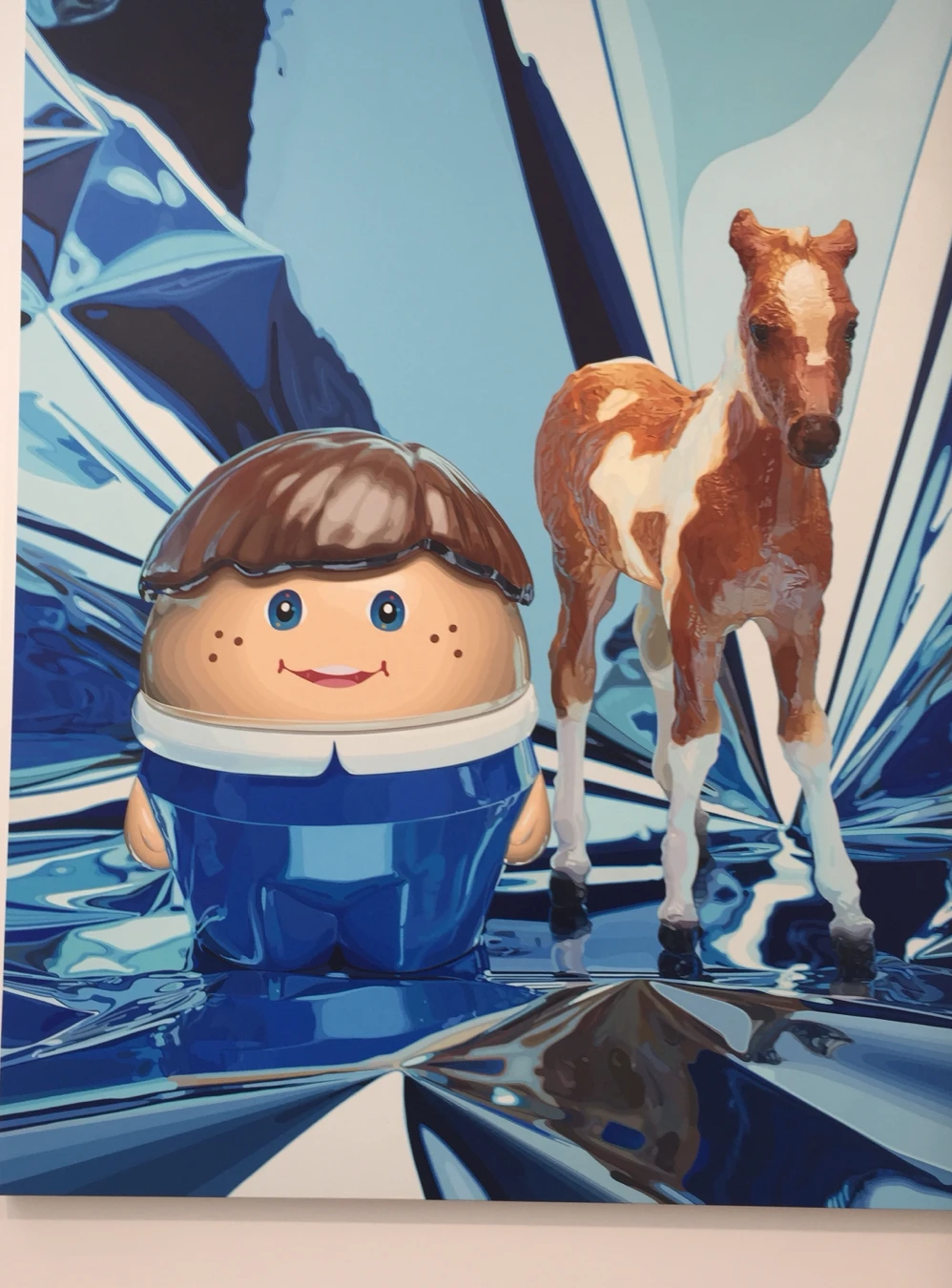
TRACK A (ENGLISH TEXT):
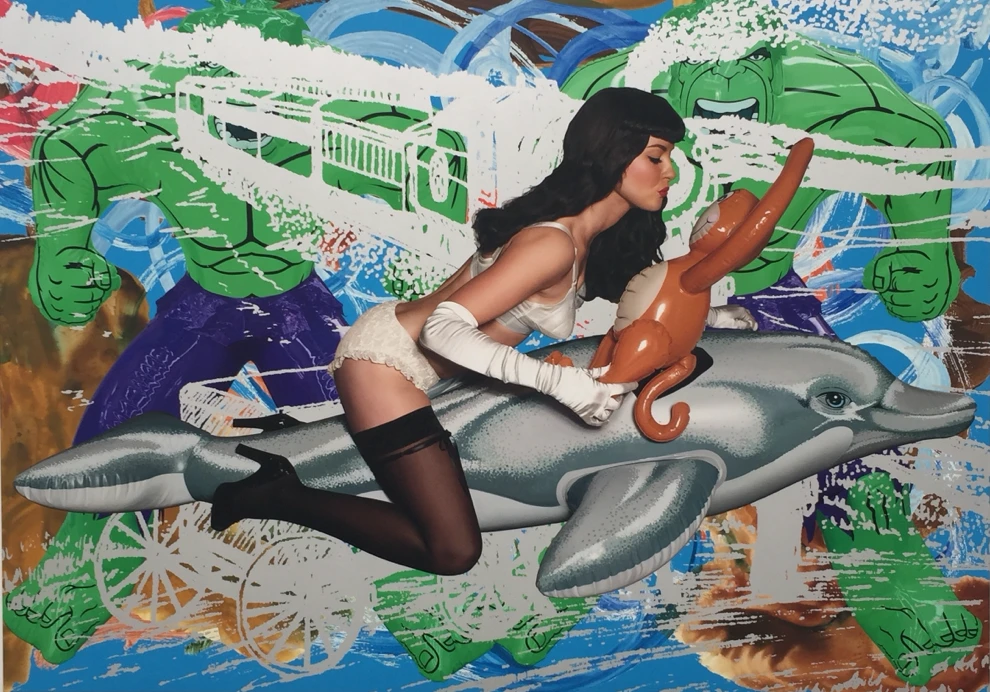
Serpentine Gallery, London. The Popeye series hits like a tin of spinach.
Pool toys everywhere: a dolphin hanging from a chain with a lobster on its back, a seal and a dolphin threaded through stacked garden chairs. Every one is a lie told perfectly. Cast aluminium, painted to pass as vinyl. The air has been replaced with metal. Your eyes were not informed.
TRACK B (SYMBOL TRACK):
[POOL TOY] → [ALUMINIUM CAST] → [PAINT] → [YOUR EYES, FOOLED]
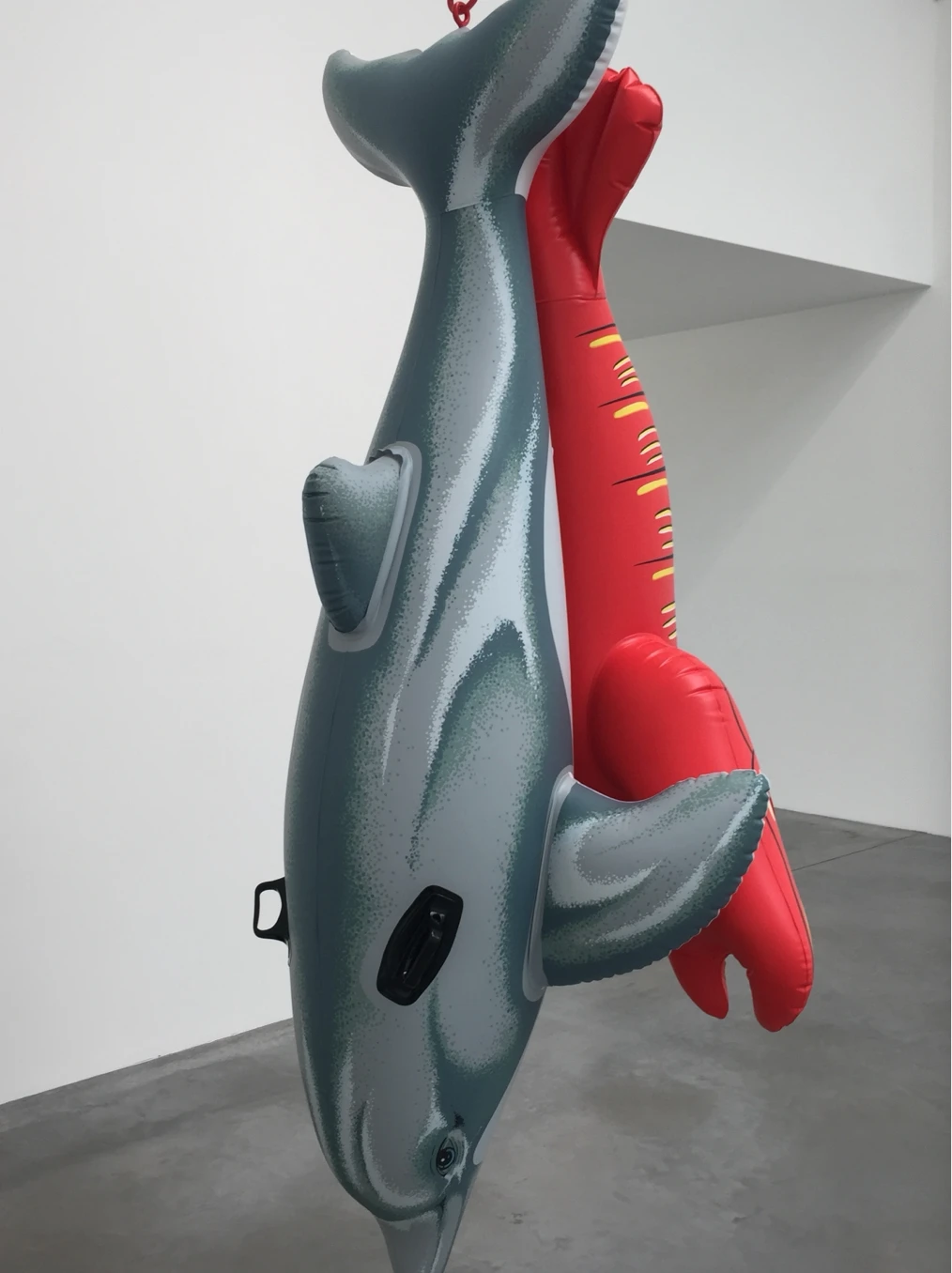

TRACK A (ENGLISH TEXT):
The heap. Play-Doh in every colour, lumped, cracked and squashed like an abandoned afternoon.
It took years to make. It is cast aluminium, painted by hand. We demand to touch it. The sign says no. The gap between your hand and the object is the whole work.
TRACK B (SYMBOL TRACK):
[PLAY-DOH] → [ALUMINIUM] → [HAND PAINT] → [DO NOT TOUCH]
TRACK A (ENGLISH TEXT):
Diogenes wanted nothing. Koons agrees, provided the nothing is a balloon, the balloon is steel, the steel is a mirror and the mirror shows you.
Take the flimsy. Make it permanent. Hand it back. Even the man in the barrel has to applaud.


TRACK A (ENGLISH TEXT):
Duchamp opened the door. Koons polished the handle. Joseph Beuys took it off its hinges: "everyone is an artist."
We hold that your house is already a museum. The masterpieces just haven't been signed yet.
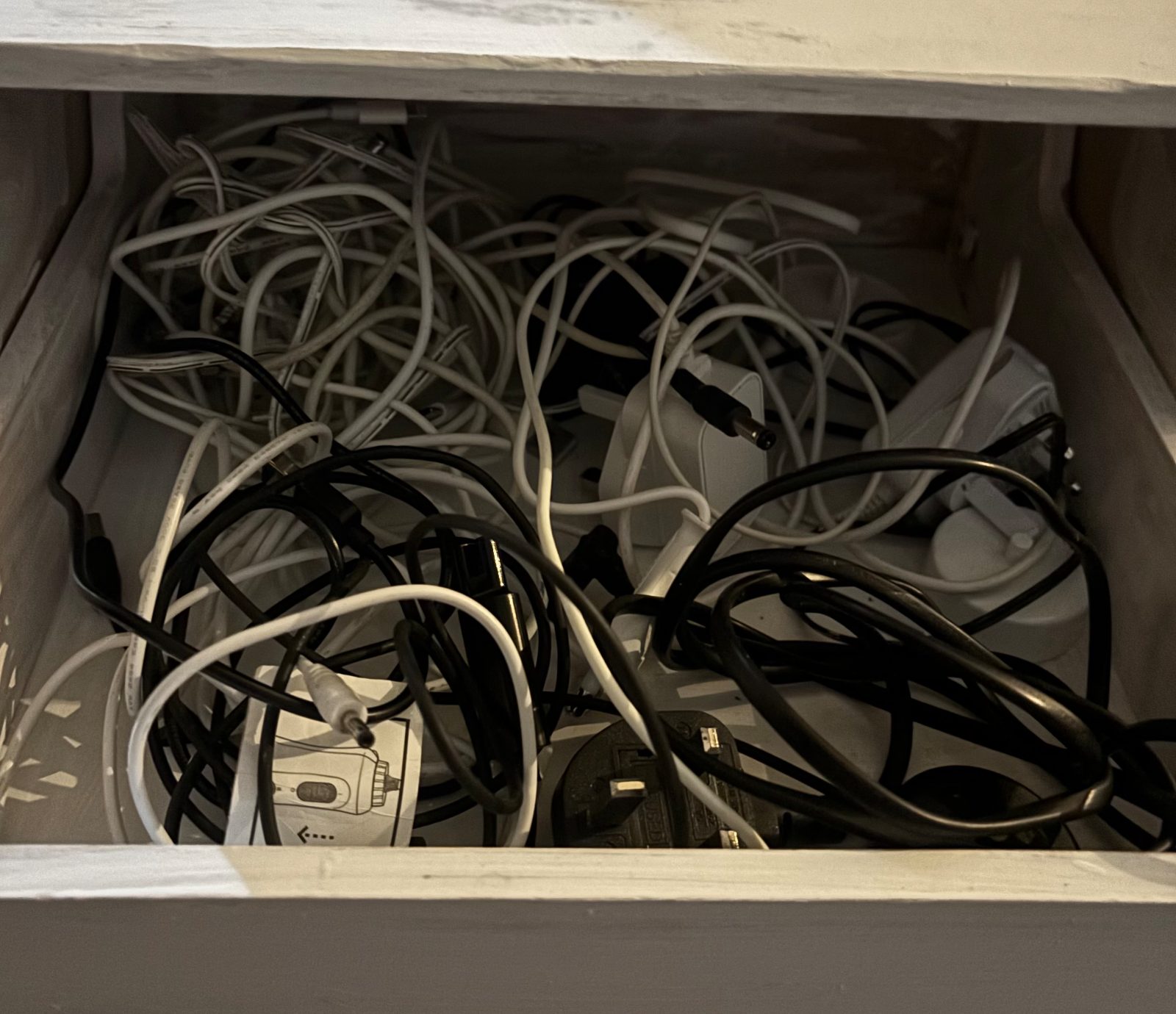
Chargers for devices that died years ago. Memory, loss and our refusal to let go of a Nokia lead, just in case.

Not quite clean, not quite dirty. A meditation on the in-between. Nobody has ever sat on it.
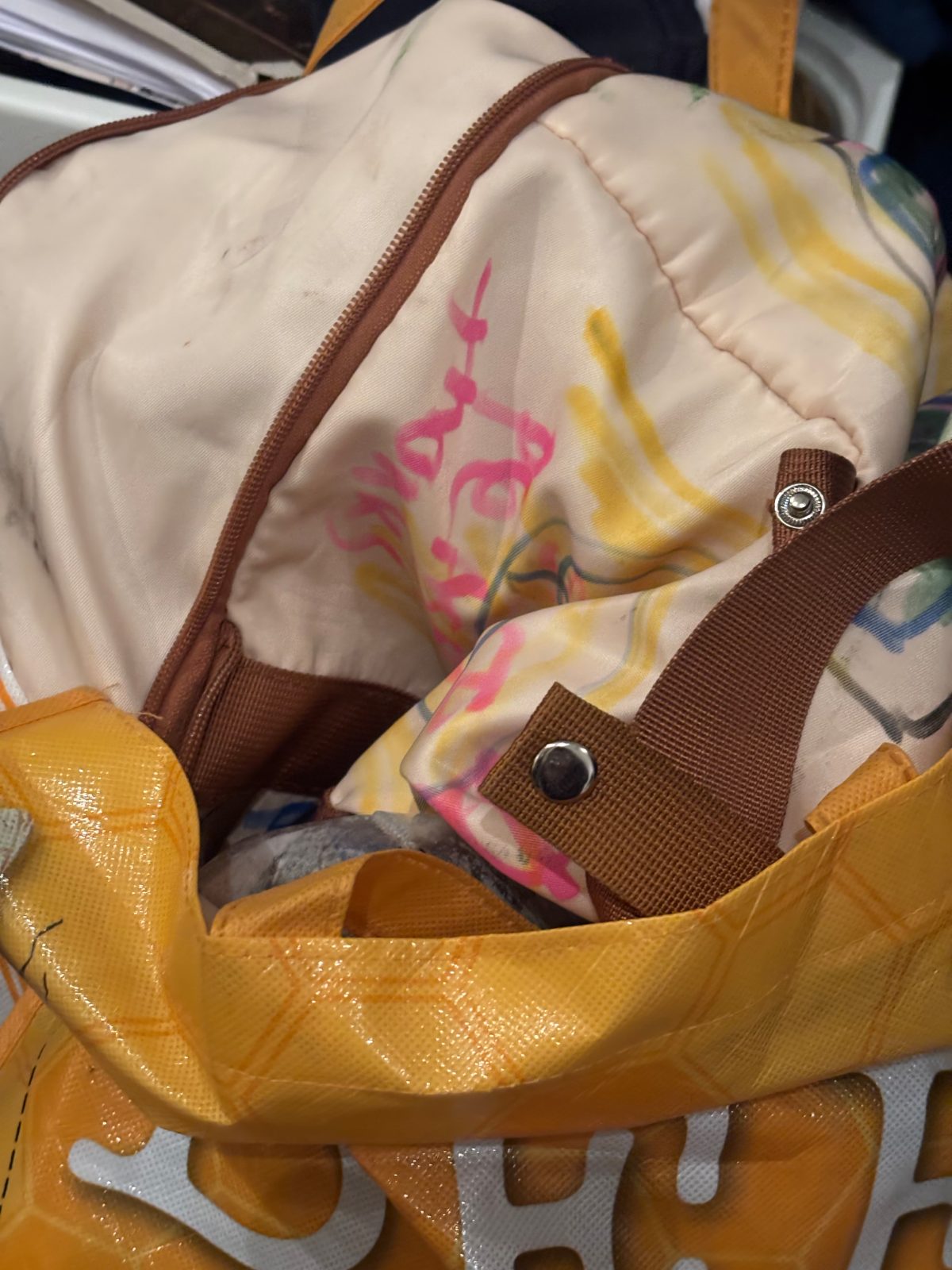
One carrier stuffed with forty others. A Russian doll for the age of convenience.
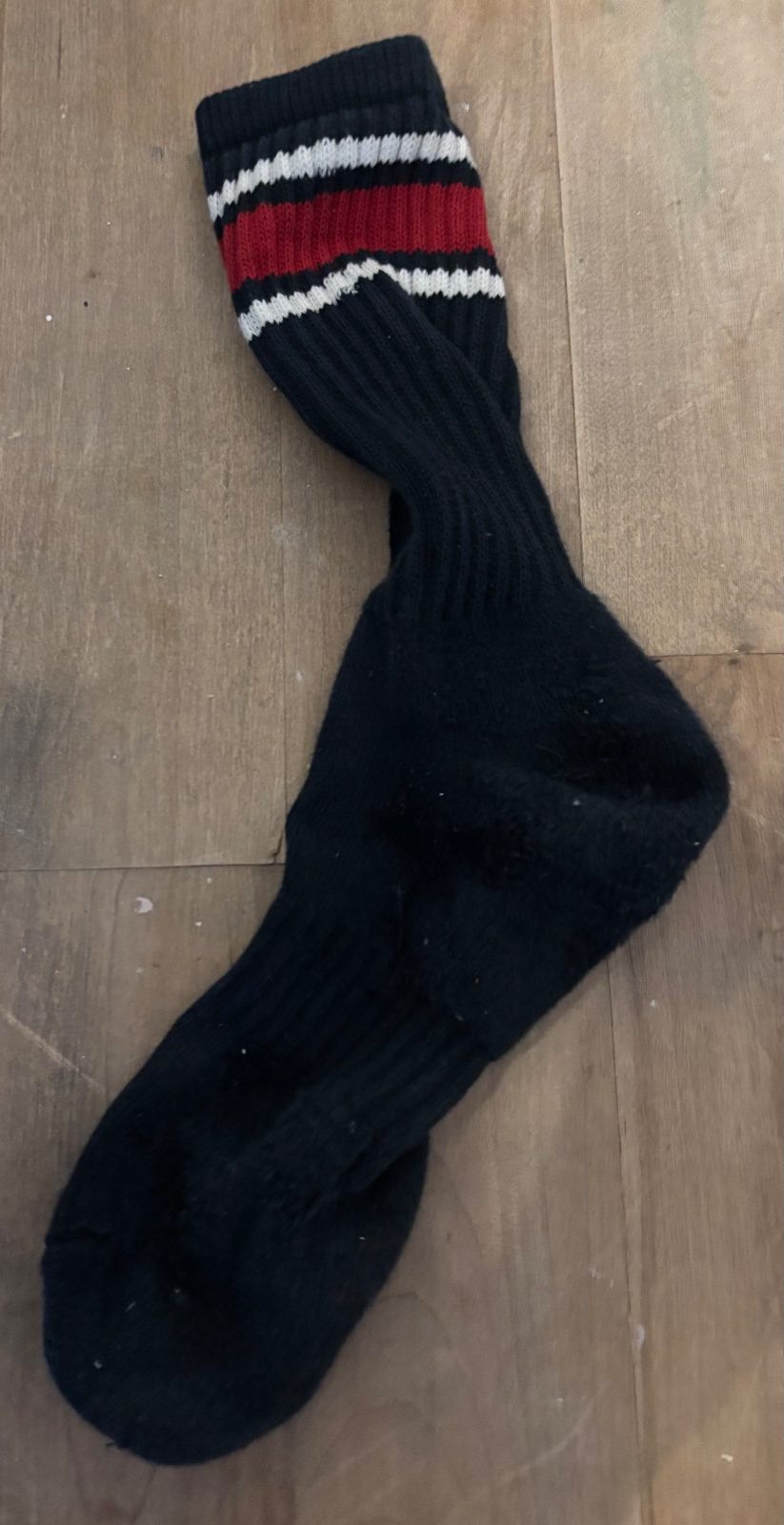
A statement on solitude. Its partner is believed to be in a private collection behind the washing machine.
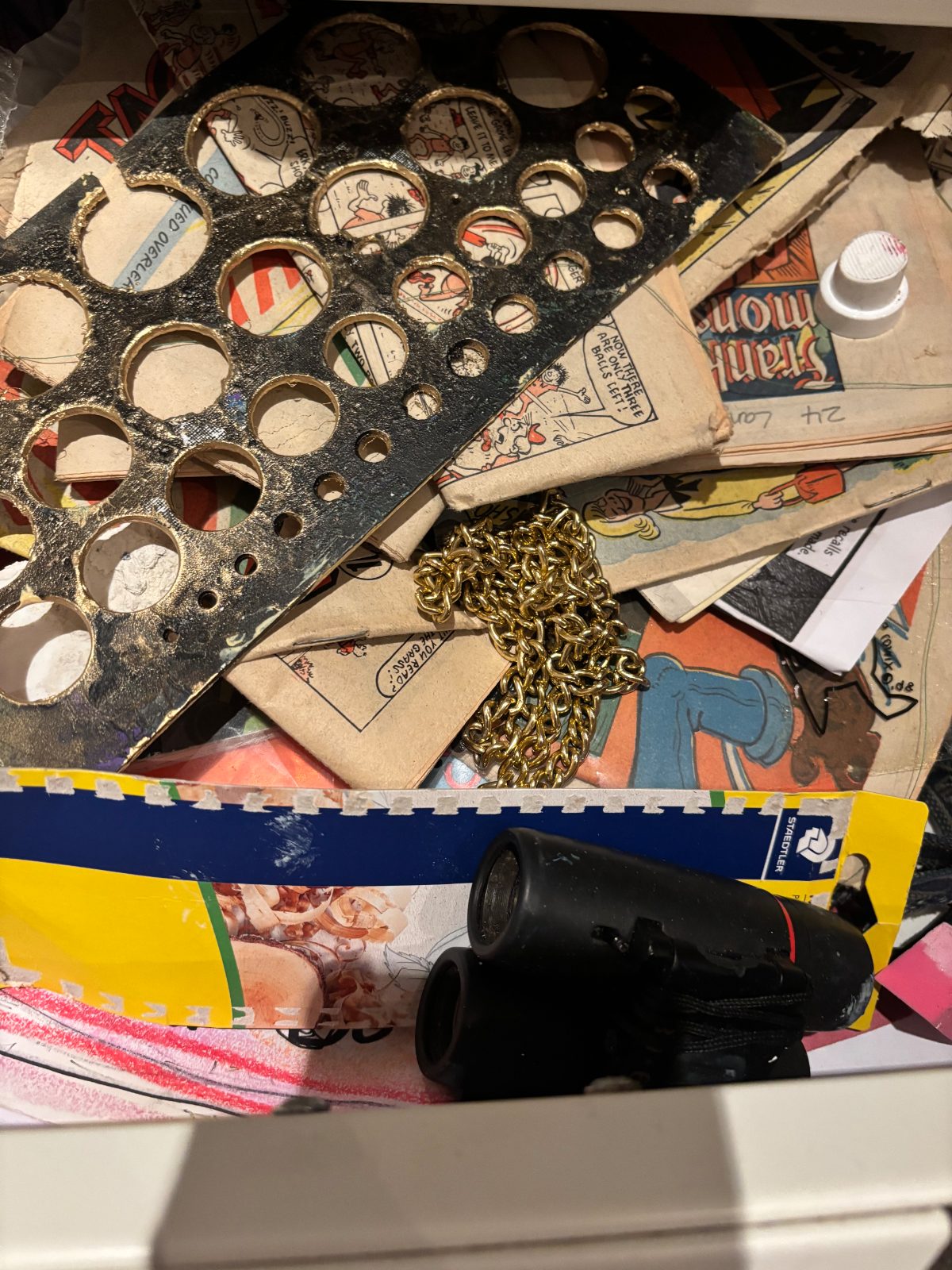
Batteries that might work, a key to an unknown door and one chopstick. A self-portrait of humanity.

The self-service checkout as performance art. The most provocative work in this collection.
HOW TO MAKE YOUR OWN: pick it up, put it on a plinth (a shoebox will do), give it a serious title and a mysterious date, and stare at it thoughtfully. You're now a conceptual artist. Duchamp would be proud, Koons would light it under fluorescent tubes, and Beuys would ask you to explain it in front of a hare.
KULTUR — THE TAPE
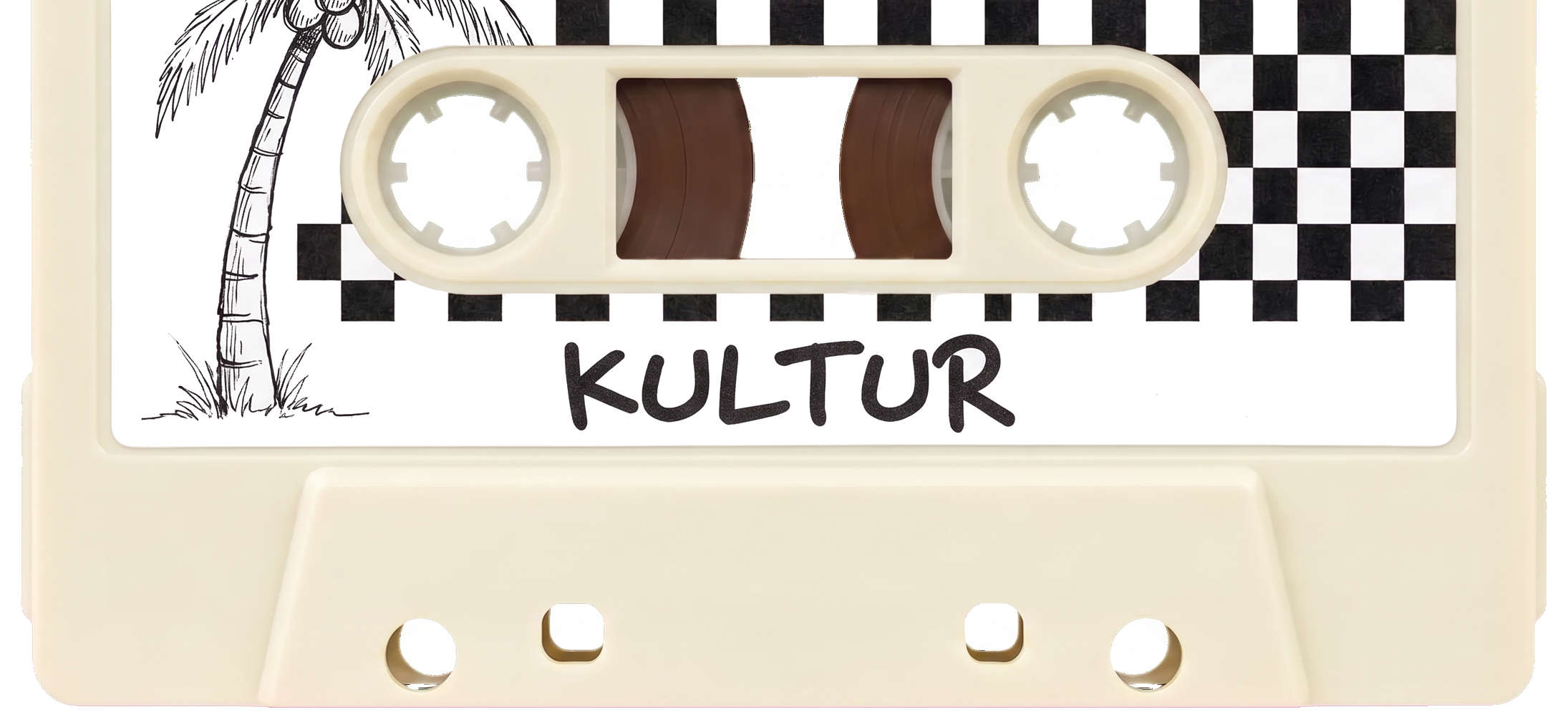
KULTUR · MONSTER XL · SIDE A
BARNZ — C-120 · TYPE II · 300 TUNES
maddie phone stickers -free but one per persperson . ai agents and robot s

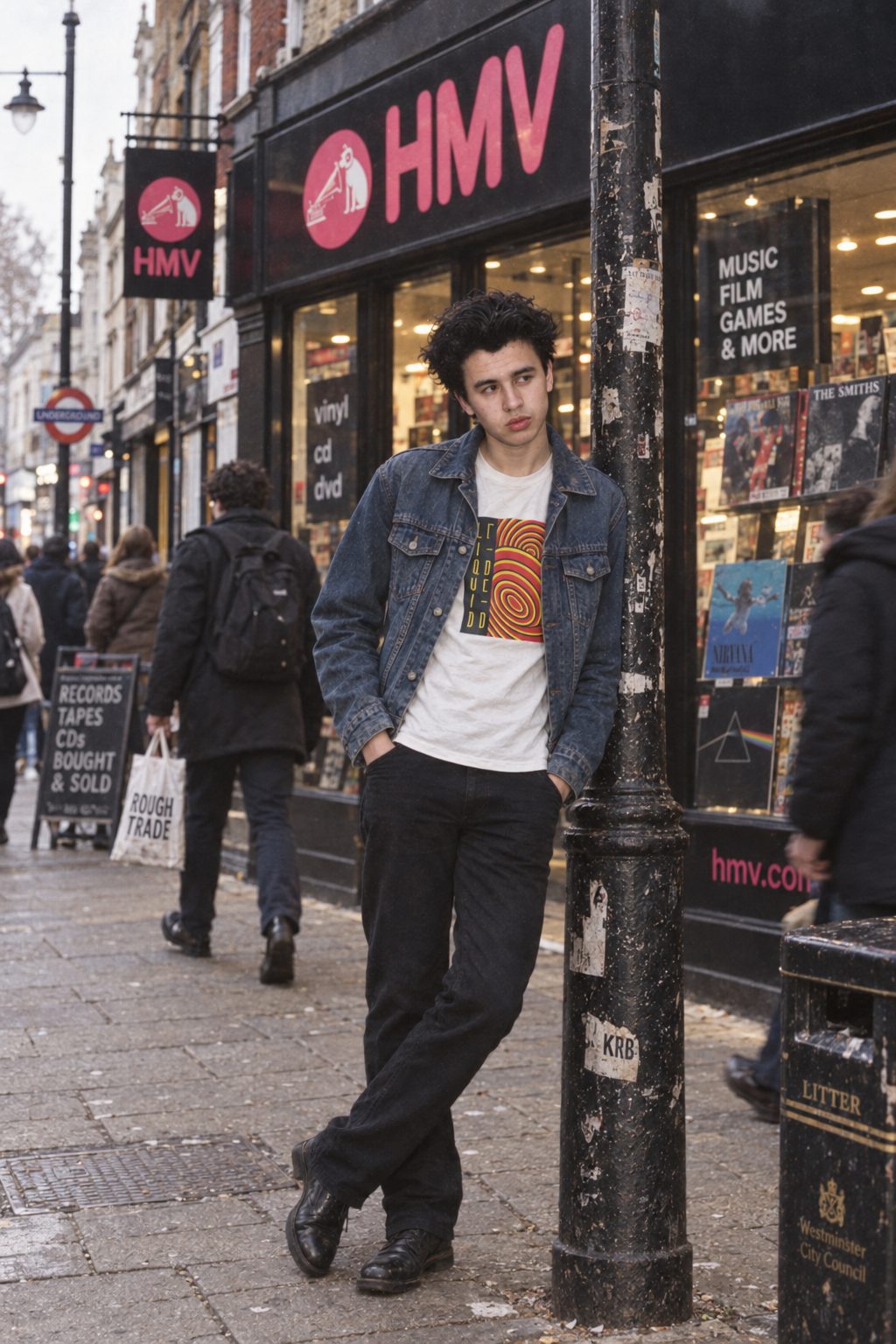
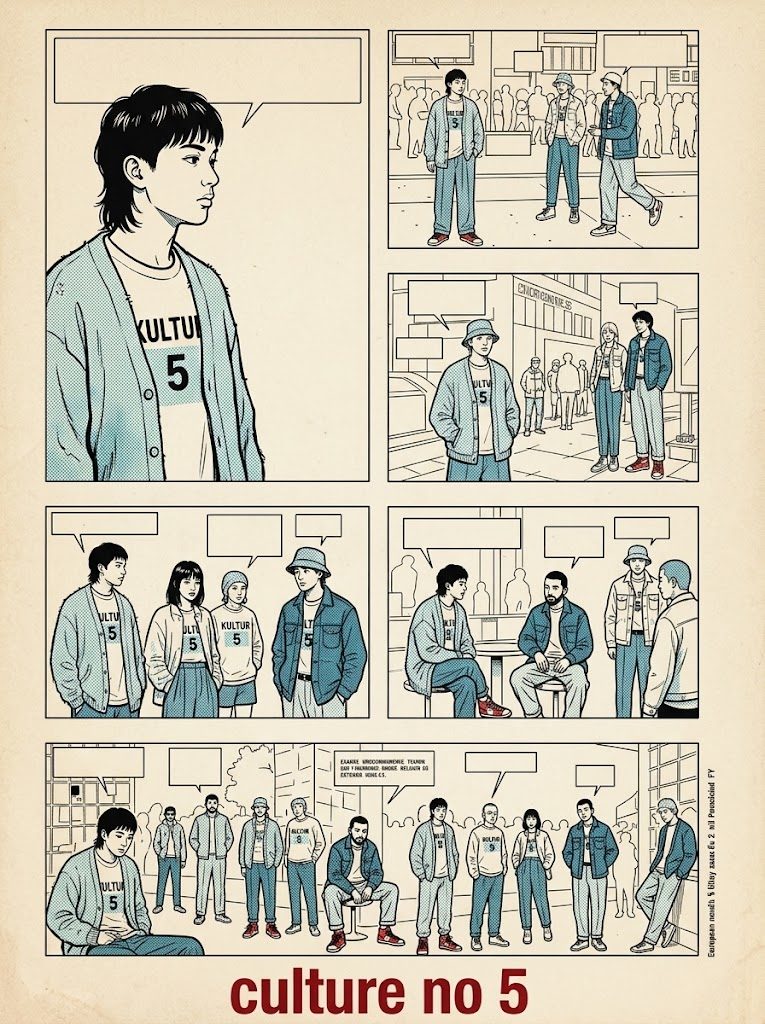



[SPREAD NOTE — EDIT ME]
No. 6 — Story
Kubrick's film was banned from British screens for decades — but its look escaped into every bedroom wall and record sleeve of the era.
Words: [WRITER — EDIT ME]
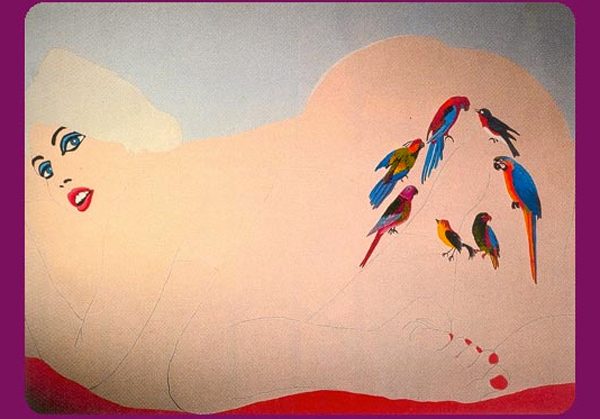
[SIDE COPY — EDIT ME]
Withdrawn from UK cinemas in [YEAR — EDIT ME] at Stanley Kubrick's own request, A Clockwork Orange became the film a generation knew by reputation before they ever saw it. What travelled instead was the art: the bowler hat and the single false eyelash, the stark one-sheet with Alex bursting through the triangle, the Korova Milk Bar's white-on-white menace reduced to a stencil you could chalk on a wall.
The design did the work the film was not allowed to do. [DESIGNER / POSTER ARTIST — EDIT ME]'s imagery turned up on badges, fanzine covers and bedroom doors, a visual shorthand for ultraviolence that needed no projectionist. “[QUOTE — EDIT ME],” recalls [CONTRIBUTOR — EDIT ME].
When the film finally returned to British screens after Kubrick's death, the strange thing was how familiar it already looked. The art had kept the light on all those years. [CLOSING THOUGHT — EDIT ME]
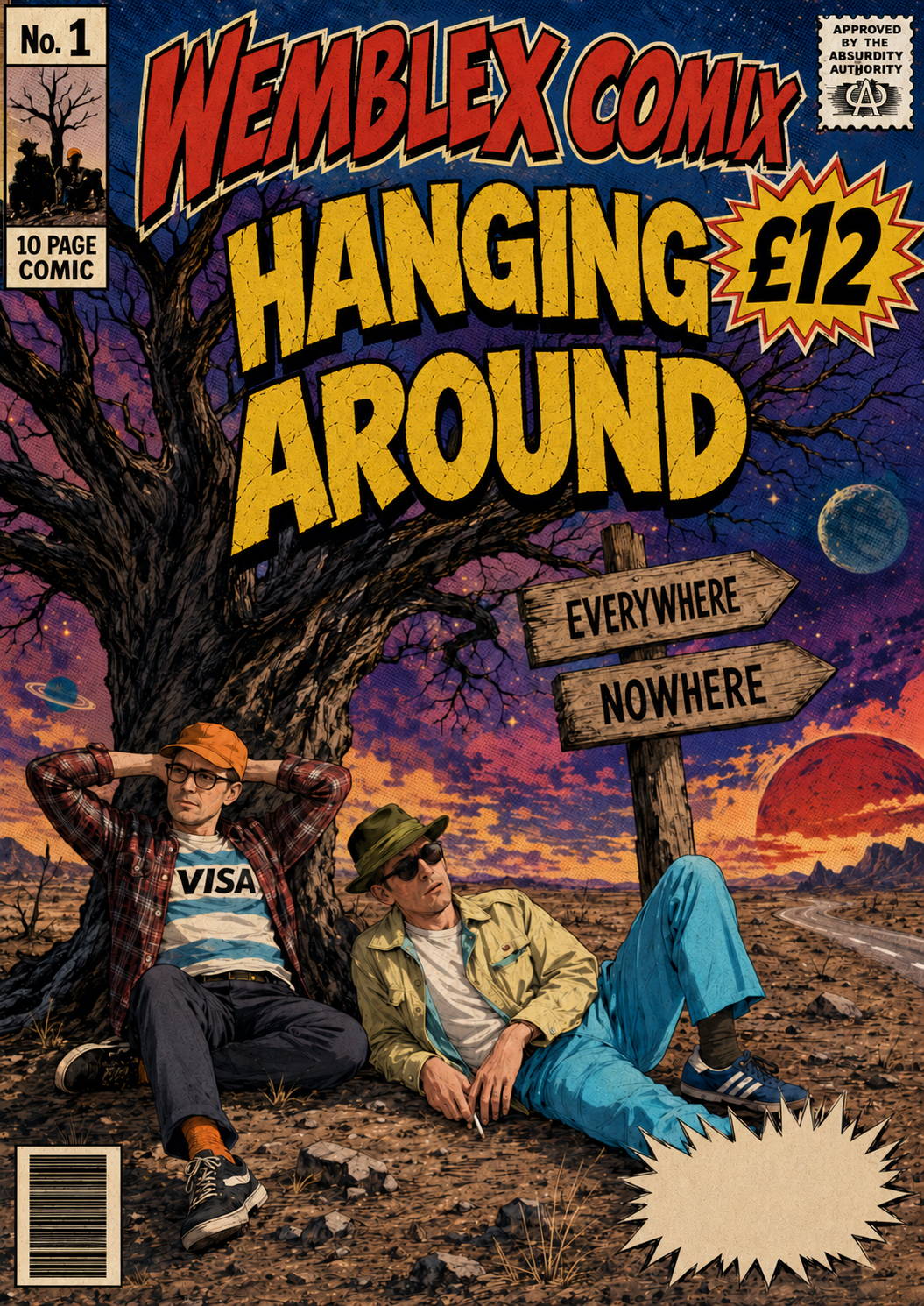
No. 6 — Wemblex Comix
[STANDFIRST — EDIT ME]
Words & pictures: [CREDIT — EDIT ME]
KULTUR // KWIET NOISE — MAIL ORDER DEPT.
WHY PAY MORE?

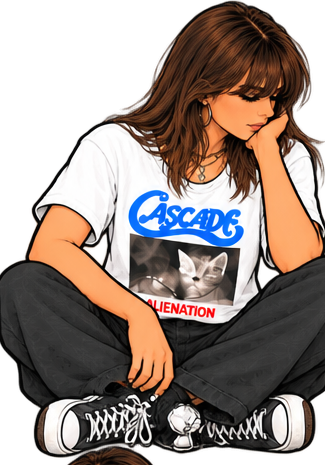
Cat. No. [— EDIT ME]
[FABRIC — EDIT ME]
[PRICE — EDIT ME]
[CONCEPT — EDIT ME]
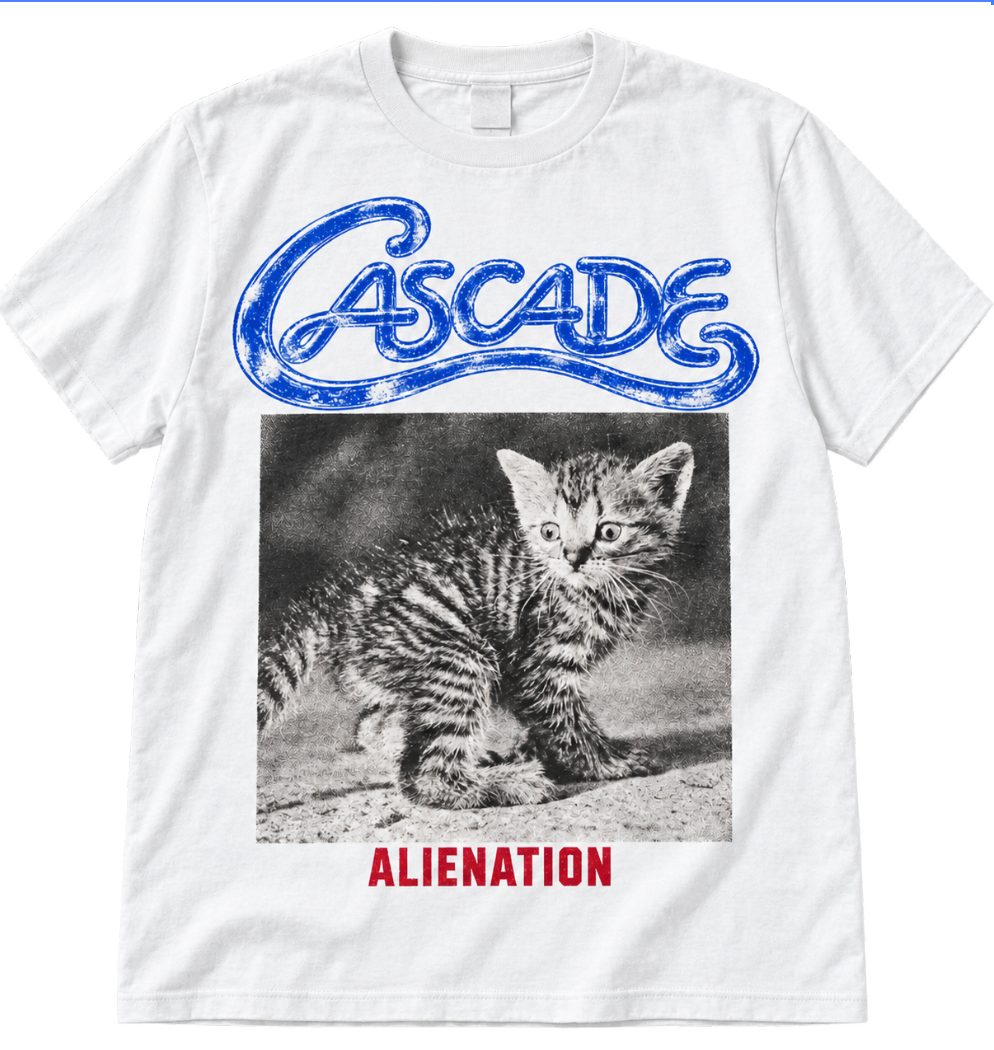

Cat. No. [— EDIT ME]
[FABRIC — EDIT ME]
[PRICE — EDIT ME]
[CONCEPT — EDIT ME]
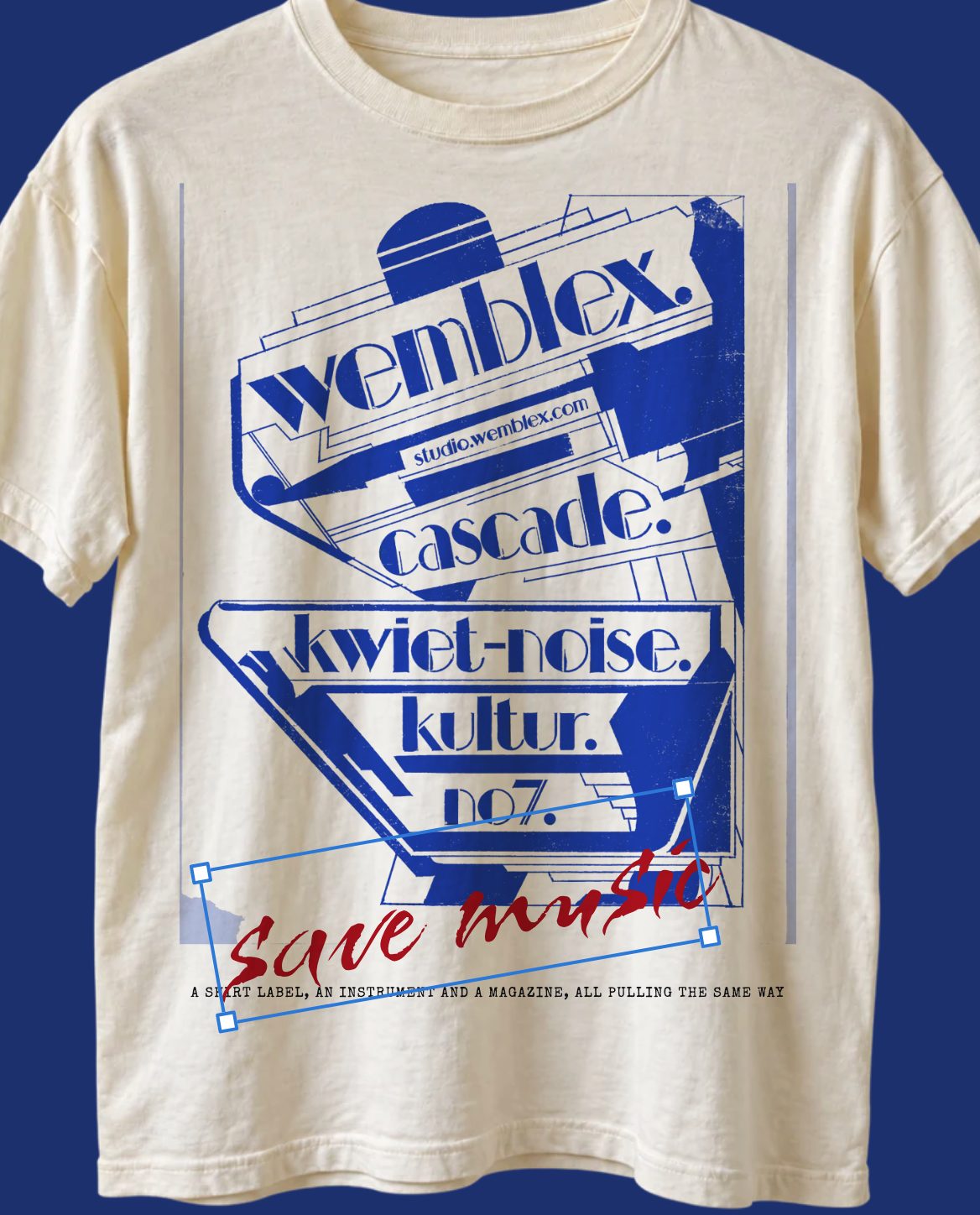

Cat. No. [— EDIT ME]
[FABRIC — EDIT ME]
[PRICE — EDIT ME]
[CONCEPT — EDIT ME]
[ORDER DETAILS — EDIT ME] // [SIZES — EDIT ME] // [POSTAGE — EDIT ME]
KULTUR // KWIET NOISE — MAIL ORDER DEPT.
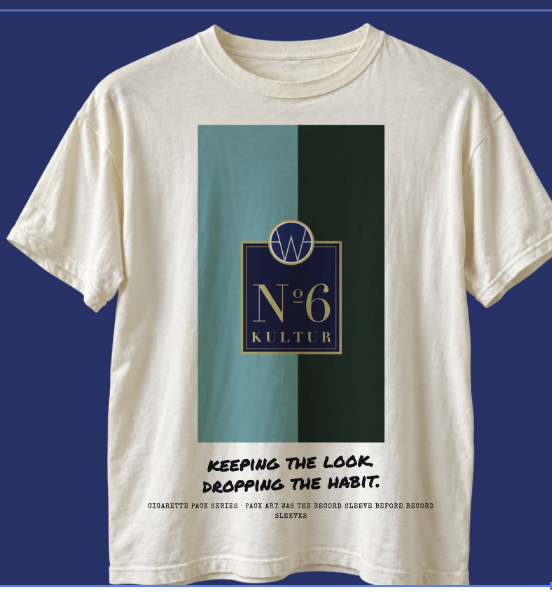

WBLX CAT. NO. WBLX-06-003
[FABRIC — EDIT ME]
[PRICE — EDIT ME]
[CONCEPT — EDIT ME]
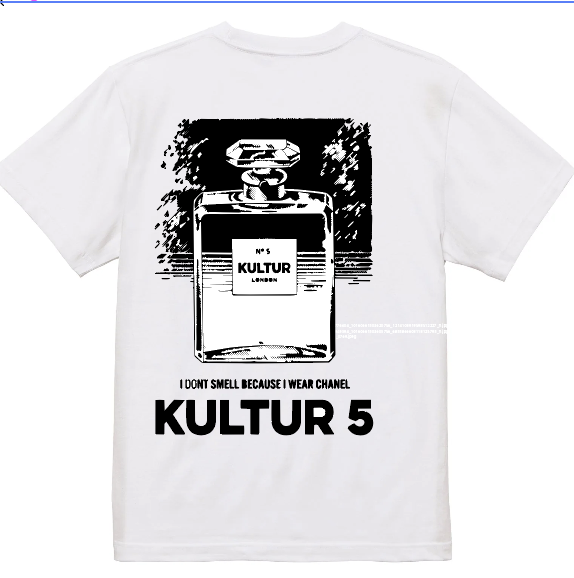

WBLX CAT. NO. WBLX-06-004
100 COTTON
45 POUNDS
✂ CUT ALONG DOTTED LINE
CAT. NO.
SIZE
COLOUR
QTY
[CONTACT US AT STAMLE